Good Manufacturing Practice: quality rules for how products are made, enforced by FDA as current good manufacturing practice (CGMP) for drugs, food and other products; pallets are covered as equipment and materials in those facilities.
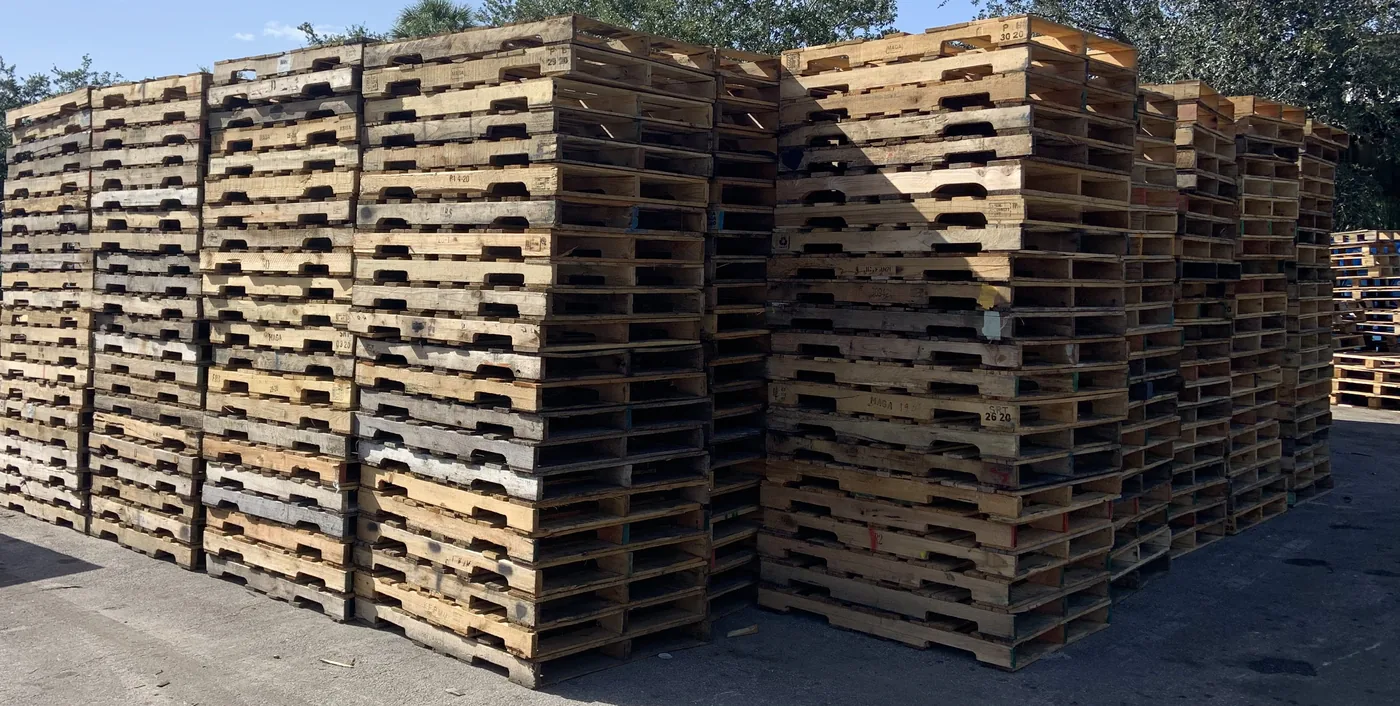
Detailed Definition
GMP, called CGMP by FDA, sets minimum requirements for facilities, equipment, personnel, materials, procedures and records so products are consistently made to their quality standards. For drugs the rules are in 21 CFR Parts 210 and 211 (see 21 CFR Part 211); for human food, current good manufacturing practice is in 21 CFR Part 117. Pallets are not certified under GMP, but a manufacturer's quality system must make sure pallets used in production, storage and shipping are clean, suitable and do not contaminate product.
How GMP applies to pallets in practice
GMP regulations rarely mention pallets by name. Instead they require that equipment and storage be designed, maintained and cleaned so product is not contaminated, and that materials are stored off the floor in a way that allows cleaning and inspection. Manufacturers turn those principles into internal pallet rules covering pallet material, condition, cleaning and where wood pallets may go.
Many drug and food plants keep wood pallets out of open-product areas and transfer loads onto plastic or dedicated pallets at a defined point.
What a pallet supplier may be asked for
- A written specification for each pallet type supplied.
- Confirmation of heat treatment and any wood treatment chemicals used.
- Inspection criteria for mold, debris, protruding fasteners and odors.
- Change notification if species, fasteners or construction change.
These requests come from the customer's supplier qualification program. A common mistake is changing pallet construction without telling a GMP customer, which can trigger a deviation in their quality system.
Food plants follow the same logic under 21 CFR Part 117, where sanitary operations and equipment requirements apply to pallets that contact or sit near exposed food. Ask each customer which rules they apply rather than assuming one set fits every plant.
Related Glossary Terms
Frequently Asked Questions
Does FDA certify pallets as GMP compliant?
No. FDA does not certify or approve pallets. GMP responsibility sits with the manufacturer, which must show that the equipment and materials it uses, including pallets, are suitable and do not put product at risk. A pallet supplier can support that by providing specifications, treatment records and consistent construction, but any claim of an FDA-approved pallet should be treated with caution.
Are wood pallets allowed in GMP facilities?
GMP rules do not ban wood pallets. Many facilities use them in warehouses and shipping areas, while restricting them in clean or open-product areas where splinters, moisture or mold could contaminate product. The decision is risk based and should be written into the site's procedures. Plastic pallets are often chosen for production areas because they can be washed and inspected more easily.