A warehouse where imported goods are stored without paying customs duty until released for domestic consumption.
Detailed Definition
A bonded warehouse is a facility approved by customs, in the US by U.S. Customs and Border Protection (CBP), where imported merchandise can be stored under bond with duty deferred. Duty is paid when goods are withdrawn for consumption; goods exported from the warehouse generally leave without paying US duty. US rules are in 19 CFR Part 19, and merchandise may remain in a bonded warehouse for up to five years from the date of importation. CBP recognizes several warehouse classes, including public and private bonded warehouses. It differs from a foreign-trade zone.
Bonded warehouse versus foreign-trade zone
Both defer duty, but they work differently. Goods in a bonded warehouse have been entered for warehousing and remain under customs bond and control. A foreign-trade zone is treated as outside US customs territory for duty purposes, allows a wider range of processing and manufacturing, and has no fixed time limit for storage. Importers often choose a bonded warehouse for storage of goods that may be re-exported or sold slowly, and an FTZ when they assemble or transform products. A licensed customs broker can compare the two for a given product.
Handling pallets and inventory in bond
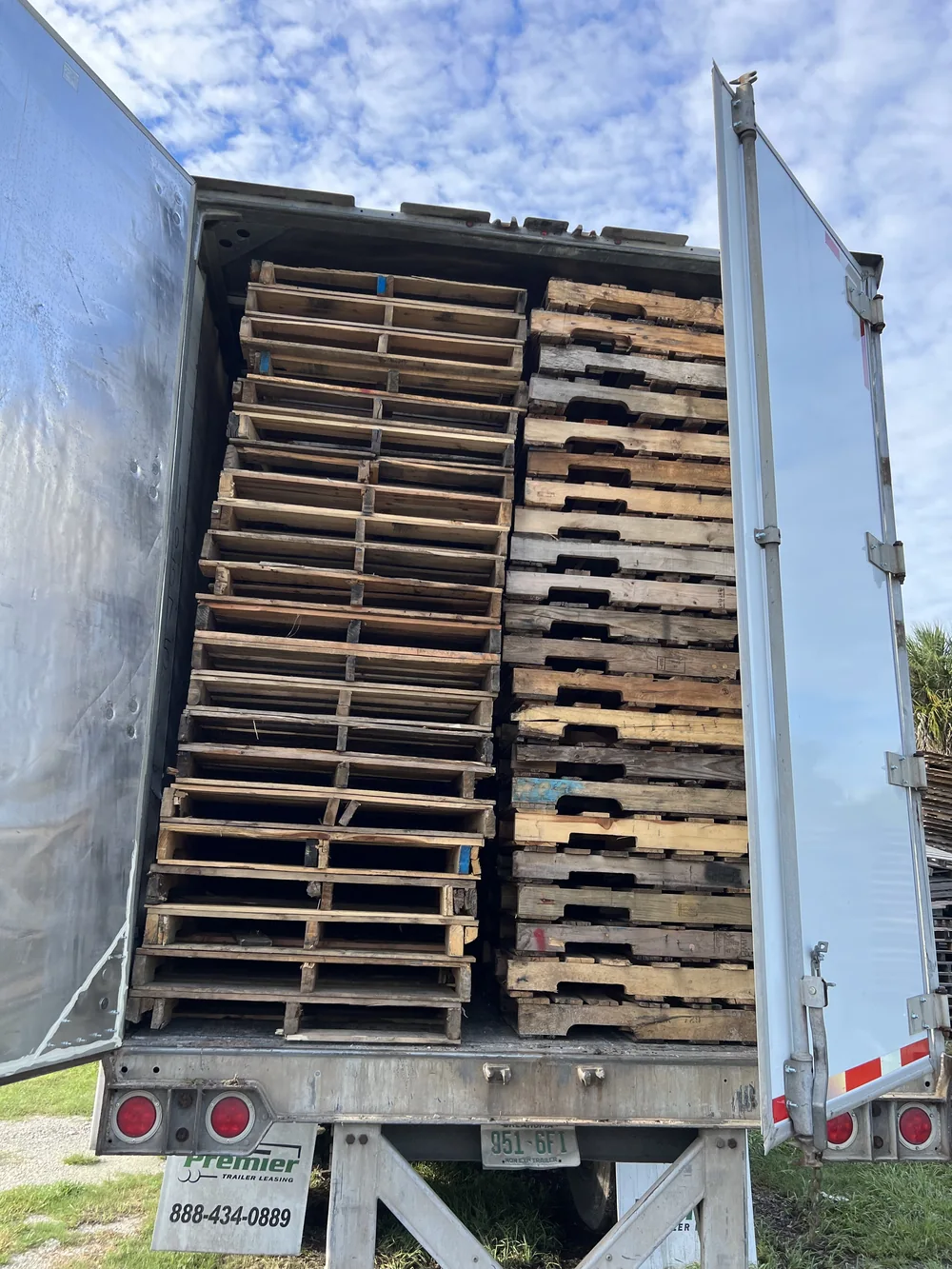
Bonded goods must be kept identifiable and accounted for, so pallet labels, lot records and location control matter more than in an ordinary warehouse. Manipulation such as repacking, relabeling or repalletizing generally requires customs permission in advance. Imported shipments often arrive on wood packaging, which had to meet ISPM 15 when it entered the country. If goods are repalletized for re-export, the new pallets must meet the destination country's wood packaging rules.
Choosing a bonded warehouse operator
A public bonded warehouse stores goods for many importers, while a private bonded warehouse is used by one importer for its own merchandise. When comparing operators, ask which warehouse class the facility holds, whether it can perform the handling you need, how it reports inventory to customs, and how withdrawals are scheduled and documented.
Related Glossary Terms
Frequently Asked Questions
Do I pay duty when goods enter a bonded warehouse?
Generally no. Goods are entered for warehousing and the duty is deferred while they remain in bond. Duty is paid at the rate in effect when the goods are withdrawn for consumption into the US market. If the goods are exported or destroyed under customs supervision instead, US duty generally is not paid. Storage and handling charges from the warehouse operator still apply, and the importer must keep records of every withdrawal.
Can goods be repalletized or relabeled in a bonded warehouse?
Some manipulation is allowed, but it is controlled. Customs rules generally require approval before goods in bond are repacked, sorted, cleaned or relabeled, and the work must not amount to manufacturing unless the warehouse class allows it. Before planning pallet changes, confirm what the warehouse class permits and file the required application through the warehouse operator or a customs broker.