Short-haul trucking moving containers between port, rail terminal, and inland destinations.
Detailed Definition
Drayage is the short truck move that connects ocean and rail transport to the warehouses and factories that ship or receive the freight. A typical move picks up an import container at a marine terminal or rail ramp, delivers it to a nearby warehouse, and returns the empty. Drayage carriers pull containers on a chassis and must work within terminal appointment systems and free time limits. Delays in drayage often lead to demurrage or detention charges from the carrier or terminal.
How a drayage move works
Before pickup, the container must be released by the ocean carrier and customs, and any freight charges paid. The drayage company books a terminal appointment, picks up the container on a chassis, and delivers it either live, where the driver waits while it is unloaded, or as a drop, where the container is left and collected later. The empty is then returned to the terminal or a depot. Some moves are pre-pulls, where the container is taken to the carrier's yard before free time runs out and delivered later.
How pallets and loading affect drayage cost
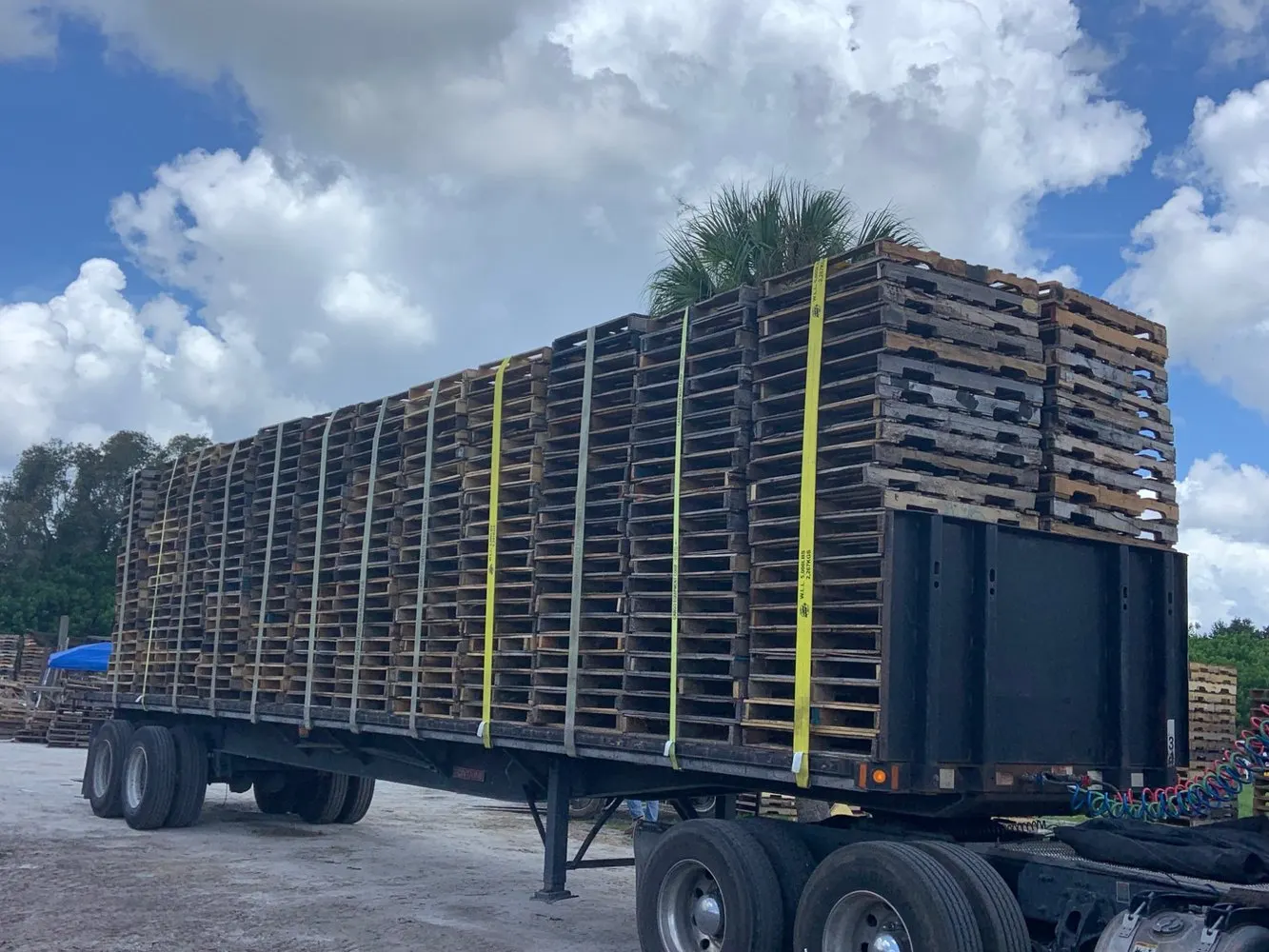
- Palletized containers unload much faster than floor-loaded cartons, which helps with live unloads and reduces wait time charges.
- Pallets must fit the container. Standard 48 x 40 inch pallets do not fill an ISO container as neatly as they fill a US trailer, so plan the layout before loading.
- Heavy containers may exceed road weight limits on some routes and need a different chassis or permits.
- Wood pallets in import containers need a valid ISPM-15 mark, or the container can be held before release.
Ask for drayage quotes that list chassis, waiting time, pre-pull and storage fees, which are often billed separately.
Related Glossary Terms
Frequently Asked Questions
What is the difference between a live unload and a drop in drayage?
In a live unload, the driver waits at the warehouse with the container while it is emptied and then leaves with the empty. In a drop, the driver leaves the container on its chassis at the warehouse and returns later to collect it. Drops give the warehouse more flexibility but usually involve chassis rental charges for each day the equipment stays, while live unloads depend on the warehouse working quickly.
Why do drayage invoices include so many extra charges?
Port and rail moves involve equipment and time that the base rate does not cover. Common add-on charges include chassis rental, waiting time at the terminal or warehouse, pre-pull and yard storage, overweight handling, and fuel surcharges. Some charges are passed through from the ocean carrier or terminal. Asking for a full list of possible charges and their rates before booking makes it easier to compare quotes and check invoices.