Trucking freight across international borders, such as between the US and Mexico or the US and Canada, which requires customs clearance on both sides and carriers authorized for each leg.
Detailed Definition
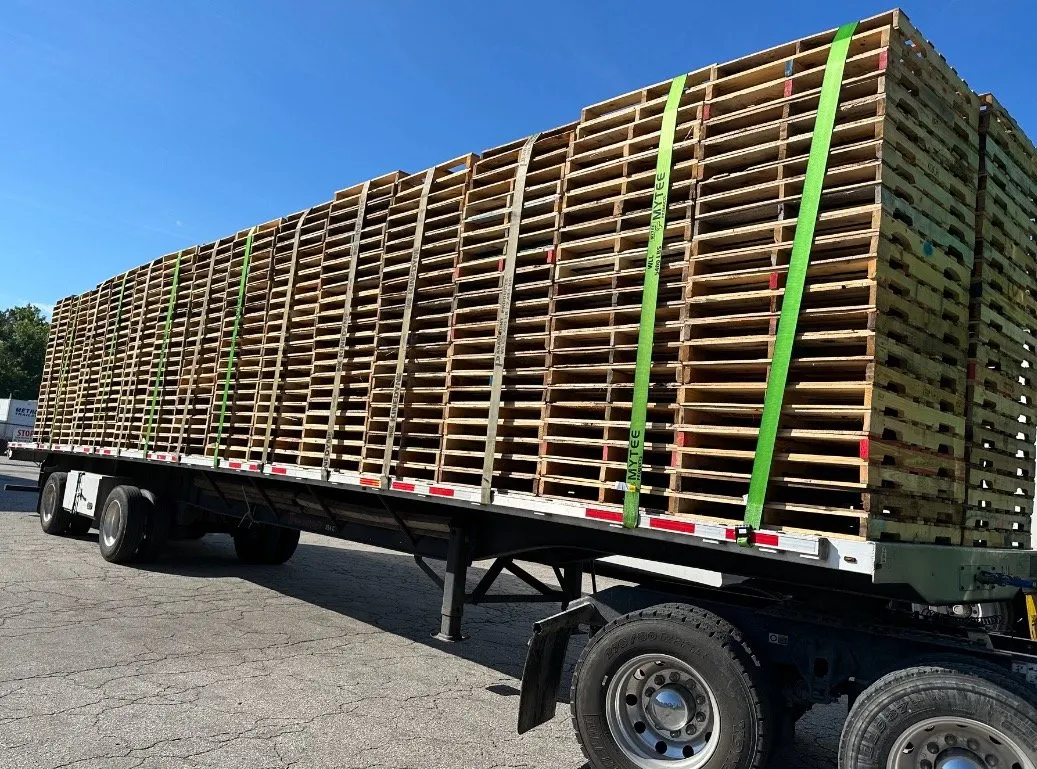
Cross-border trucking moves freight between countries by road. On the US-Mexico border, freight often moves in stages: a carrier brings the trailer to the border area, a short-haul transfer or drayage carrier takes it across, and a carrier on the other side completes the trip. Customs brokers in both countries prepare entries. Trusted-trader programs such as CBP's Customs Trade Partnership Against Terrorism (CTPAT) and Free and Secure Trade (FAST) lanes can speed processing for qualified participants. Wood pallets and crating crossing the border may be subject to ISPM 15.
How a US-Mexico crossing typically moves
Many loads change hands near the border. A long-haul carrier drops the trailer at a yard, a transfer carrier with the right permits and bonds hauls it through both countries' inspections, and another carrier picks it up for the final leg. Some carriers handle the whole move under one arrangement, but the trailer may still pass through several parties. Each handoff is a point where delays, seal checks and damage can occur, so record seal numbers and pallet counts at each stage.
Paperwork and pallet checks before the border
- Commercial invoice, packing list and bill of lading that match the freight exactly
- Customs broker instructions for both countries, arranged before pickup
- Wood pallets, skids and crates marked under ISPM 15 where required, legible on two opposite sides
- Loads built so inspectors can view and count them, with intact seals
Requirements change, so confirm current rules with a licensed customs broker and the agencies involved.
Planning for border delays
Crossings can be slowed by inspections, document errors, system outages and congestion at busy ports of entry. Build buffer time into delivery dates, send complete documents to brokers before the truck leaves, and build loads that are easy to inspect. Clearly wrapped and labeled pallets help inspectors count freight quickly.
Related Glossary Terms
Frequently Asked Questions
What is a transfer carrier on the US-Mexico border?
A transfer carrier, sometimes called a drayage or transfer operator, is a short-haul trucking company that moves trailers across the border between yards on each side. It holds the permits, bonds and credentials needed to cross and to clear inspections. Long-haul carriers from each country drop and pick up trailers at those yards. Ask your broker or carrier which transfer carrier will handle the load and how seal numbers are recorded at each handoff.
Do wood pallets crossing into Mexico need ISPM 15 marks?
Mexico applies ISPM 15 to imported wood packaging, so wooden pallets, skids and crates entering Mexico should be treated and carry a legible IPPC mark. Pallets that are not compliant can be refused or require treatment. Rules for trade between the US and Canada have long included special arrangements, so they differ from Mexico. Check current requirements with USDA APHIS and your customs broker before shipping.