ICH guideline for quality risk management in pharmaceutical manufacturing and distribution.
Detailed Definition
ICH Q9, Quality Risk Management, is a guideline from the International Council for Harmonisation of Technical Requirements for Pharmaceuticals for Human Use. It describes principles and example tools for assessing, controlling, communicating and reviewing risks to product quality across the product lifecycle, including development, manufacturing, distribution and inspection. A revised version, Q9(R1), clarified topics such as subjectivity in risk assessments and how formal risk management should be. It works alongside the ICH Q10 pharmaceutical quality system guideline and regional GMP rules.
The quality risk management cycle in ICH Q9
ICH Q9 frames quality risk management as a cycle. Risk assessment covers identifying hazards, analyzing them and evaluating the result. Risk control covers reducing risk and deciding what residual risk is acceptable. Risk communication shares decisions with the people affected, and risk review checks that controls still work as knowledge and conditions change. The effort and documentation should be proportionate to the level of risk, and decisions should be based on scientific knowledge and linked to protecting the patient.
The guideline lists tools such as failure mode and effects analysis (FMEA), fault tree analysis, HACCP, hazard operability analysis and preliminary hazard analysis, plus simpler risk ranking and filtering.
How ICH Q9 reaches pallets and packaging
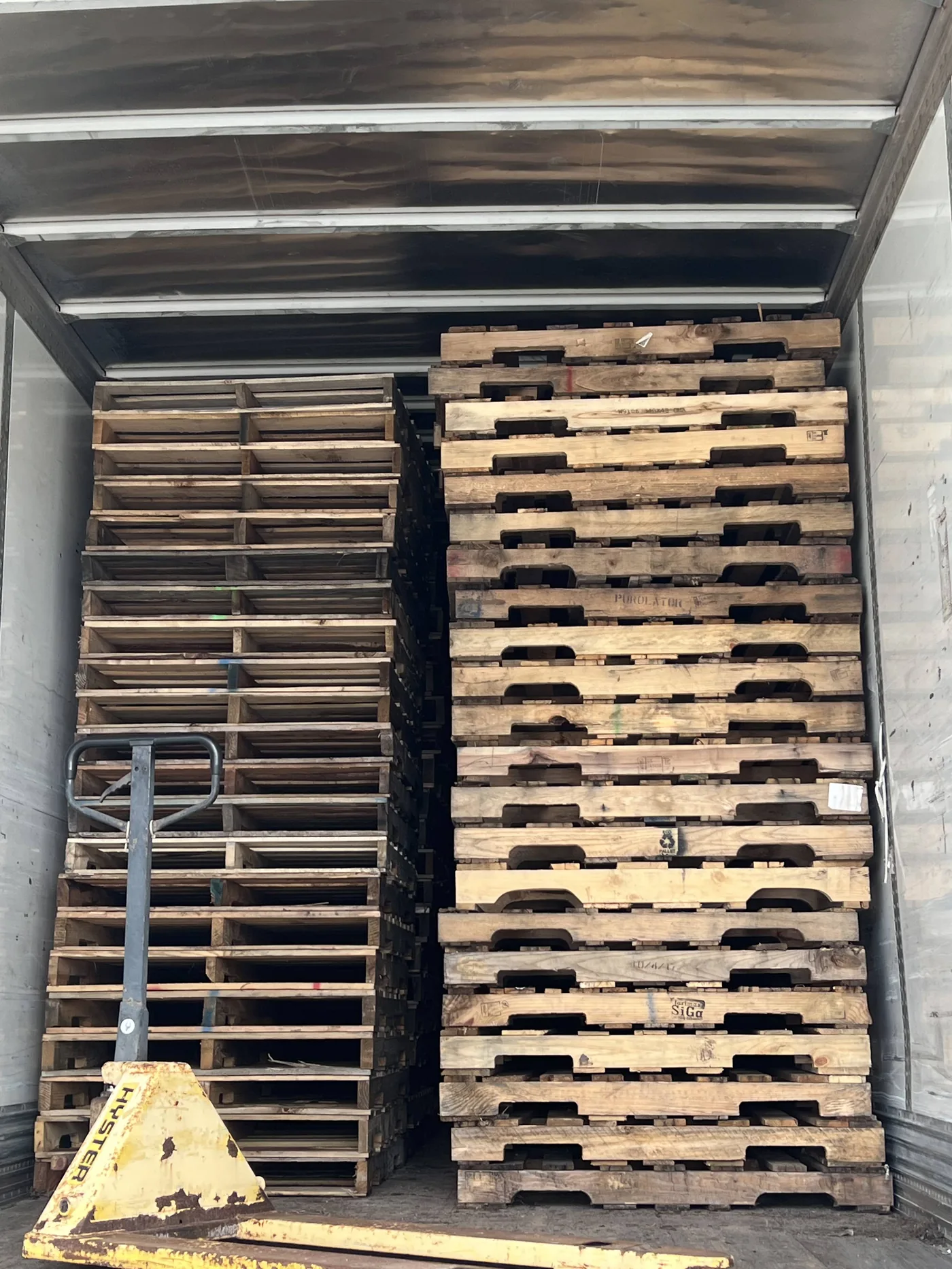
ICH Q9 does not set any pallet specification. Pallets come into scope when a drug manufacturer or distributor uses risk assessment to decide what materials may enter warehouses, clean areas or transport. Typical questions include whether wood pallets may enter certain rooms, whether plastic pallets are needed for washdown, and how pallets are checked for pests, splinters, loose nails or residues.
- Ask the customer which risk assessment covers incoming pallets.
- Confirm material, condition, cleaning and treatment requirements in writing.
- Keep records showing each delivery met the specification.
Related Glossary Terms
Frequently Asked Questions
Is ICH Q9 a law in the United States?
No. ICH guidelines are harmonized guidance documents. FDA has adopted ICH Q9 as guidance for industry, which describes the agency's current thinking but is not binding on its own. The binding requirements for drug manufacturers are the current good manufacturing practice regulations in 21 CFR Parts 210 and 211. In practice, investigators expect risk-based decisions to be justified, so firms apply Q9 principles when they set controls, including controls on materials such as pallets.
Does a pallet supplier need to follow ICH Q9?
Not directly. ICH Q9 is written for pharmaceutical manufacturers and others in the drug lifecycle, not for packaging suppliers. A pallet supplier is affected when a pharmaceutical customer uses its own risk assessment to set pallet requirements, such as plastic only in certain rooms, heat-treated wood for export, or defined cleanliness and inspection criteria. The supplier's job is to meet that written specification consistently and provide the records the customer asks for.