A temperature-controlled trailer for cold-chain shipping of frozen and refrigerated goods.
Detailed Definition
A reefer is an insulated trailer or container with a refrigeration unit, usually mounted on the front wall and commonly diesel powered, that blows conditioned air through the cargo space. It can keep frozen, chilled or temperature-sensitive goods at a set point, and many units can also heat in cold weather. Reefers are the main equipment for cold-chain freight. Insulation makes the inside slightly smaller than a dry van of the same length, and the unit's airflow depends on how pallets are loaded.
How a reefer moves air around the load
The refrigeration unit pulls return air from the front of the trailer, cools or heats it, and pushes it toward the rear along the ceiling, often through a chute. The air then flows down past the load and back along the floor to the unit. Floors are usually grooved or ducted to carry that air. A reefer is designed to hold product at temperature, not to bring warm product down quickly, so product should be loaded already at the right temperature.
Loading pallets in a reefer
- Precool the trailer to the set point before loading, with doors closed.
- Leave space at the top of the load and at the rear for airflow, and do not block the return air opening at the front.
- Keep pallets off the walls where possible and use pallets that let air pass under the load.
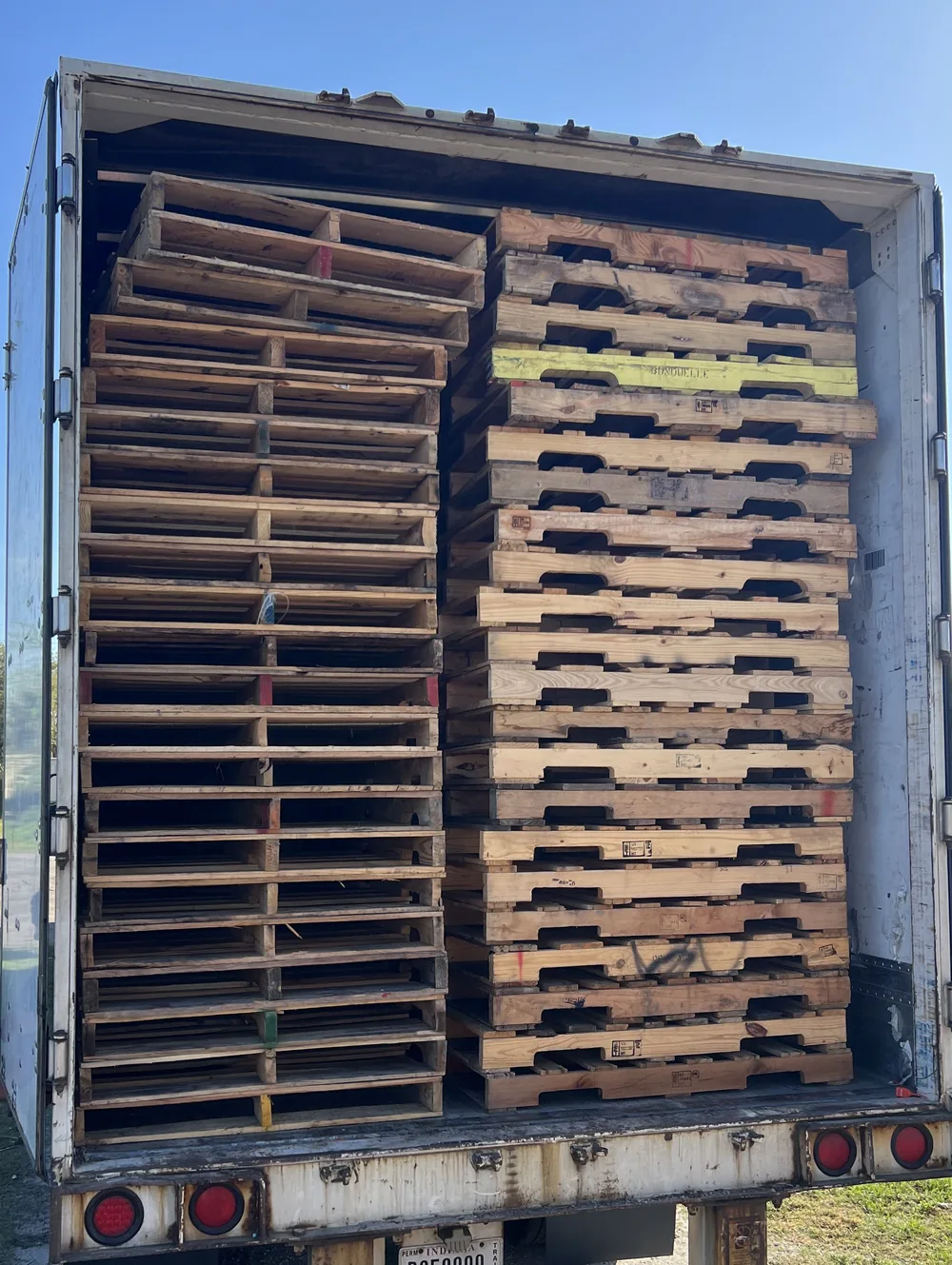
- Use clean, dry pallets; wet wood in a cold, humid trailer can grow mold.
- Record the set point and mode on the bill of lading.
Food safety requirements
Under the FDA's FSMA Sanitary Transportation rule, shippers and carriers of food that needs temperature control must agree on requirements, and the carrier must be able to show the temperature was maintained when asked. Check what records your receiver expects.
Related Glossary Terms
Frequently Asked Questions
Should a reefer run in continuous or cycle mode?
Continuous mode keeps the fan running all the time, giving steadier air circulation and more even temperatures, which suits fresh produce and sensitive products. Cycle mode starts and stops the unit to save fuel and suits many frozen loads that tolerate small swings. The shipper should state the required mode and set point on the shipping instructions and bill of lading rather than leaving it to the driver.
Why do wood pallets sometimes get moldy in reefers?
Mold needs moisture. Wood pallets with high moisture content, or pallets that have been stored outside in rain, can release moisture into the cold air of a reefer, where it condenses. Combined with long dwell times, that creates mold risk. Using kiln dried or plastic pallets, storing pallets dry and indoors, and checking moisture content before use all reduce the problem.