A strapping tool is a hand-held device that tensions strapping around a load and seals the ends, either with a metal seal or by friction welding plastic strap. Strapping secures loads to pallets and bundles items, and tool choice depends on strap material, width and the tension required.
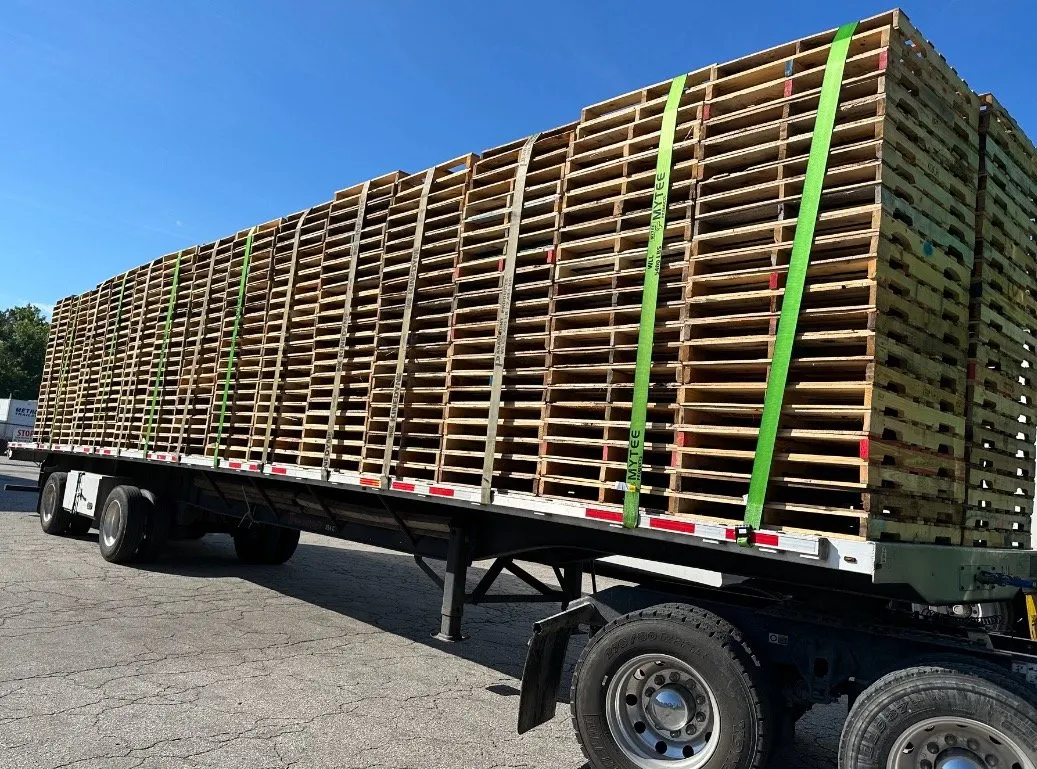
Types of tools
Manual systems use a separate tensioner and sealer, or a combination tool, and crimp a metal seal. Battery powered tools tension plastic strap and friction weld the overlap, giving consistent tension with less operator effort. Pneumatic tools are used for heavy steel strapping. Strapping machines automate the process on production lines.
Strap materials
Polypropylene is light and economical for light to medium loads. Polyester (PET) holds tension better and is widely used as an alternative to steel for heavier loads. Steel strap has the highest strength and low stretch for very heavy or sharp-edged items. Each needs a tool and seal matched to its width and thickness. See banding for how strap is used on pallet loads.
Safety and good practice
Use edge protectors on corners, avoid over-tensioning that crushes cartons, wear eye and hand protection, and cut tensioned steel strap carefully because it can spring back. Strap through pallet openings, not around unsupported deck edges, so tension is carried by the pallet structure.
Related Terms
- Banding
- Stretch Wrap
- Stretch Wrap Machine
- Unit Load
- Flatbed
- Pallet Load Capacity
- Browse all glossary terms
Frequently Asked Questions
Should I use steel or polyester strapping?
Polyester (PET) suits many heavy pallet loads, holds tension well, does not rust and is safer to cut than steel. Steel is still preferred for very heavy, hot or sharp-edged products such as metal coils or bricks where maximum strength and minimal stretch matter. Polypropylene works for lighter bundling. Match strap width and break strength to the load, and use the tool designed for that strap.
Is a battery strapping tool worth it?
For regular use with plastic strap, battery tools usually give more consistent tension and welds with less fatigue than manual tensioners and seals, and they eliminate buying metal seals. For occasional use or steel strap, manual tools may be enough. Consider daily strap volume, operator comfort and the strap types you run before choosing.