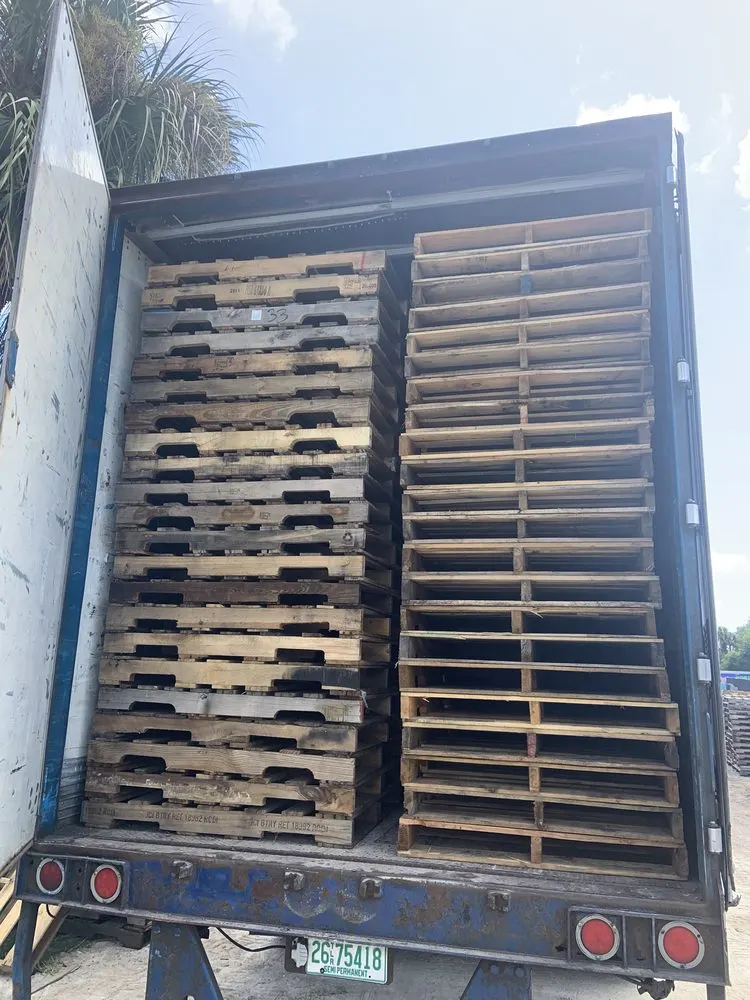
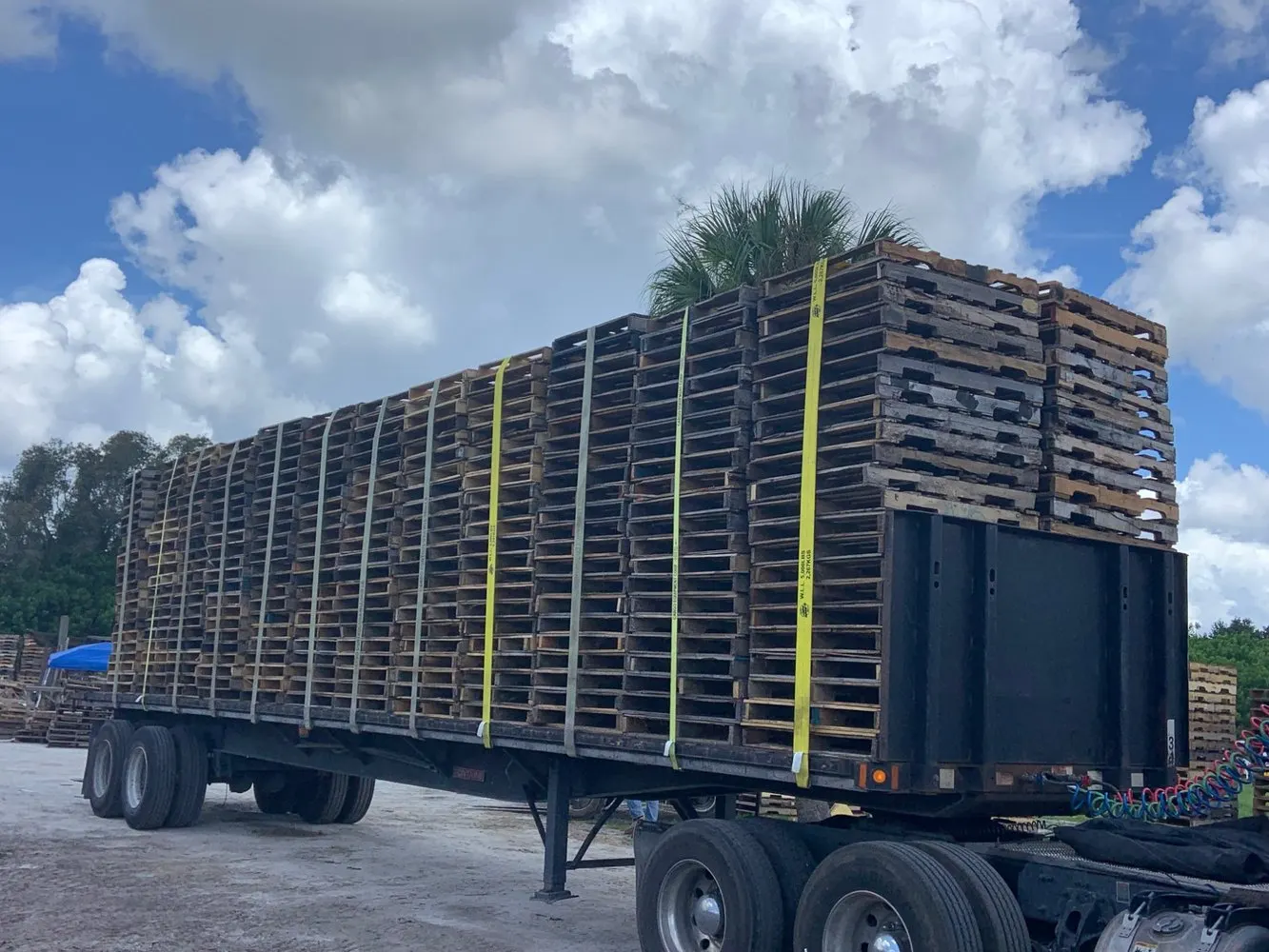
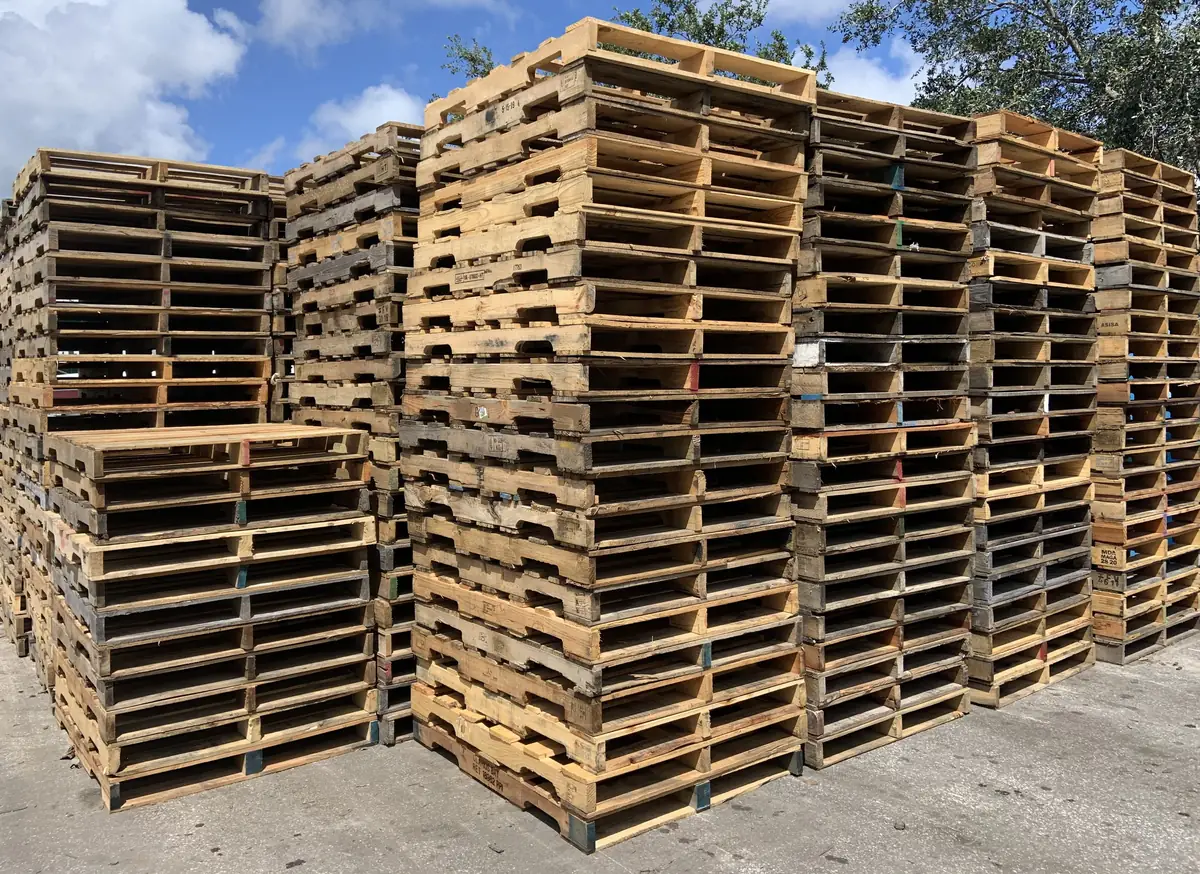
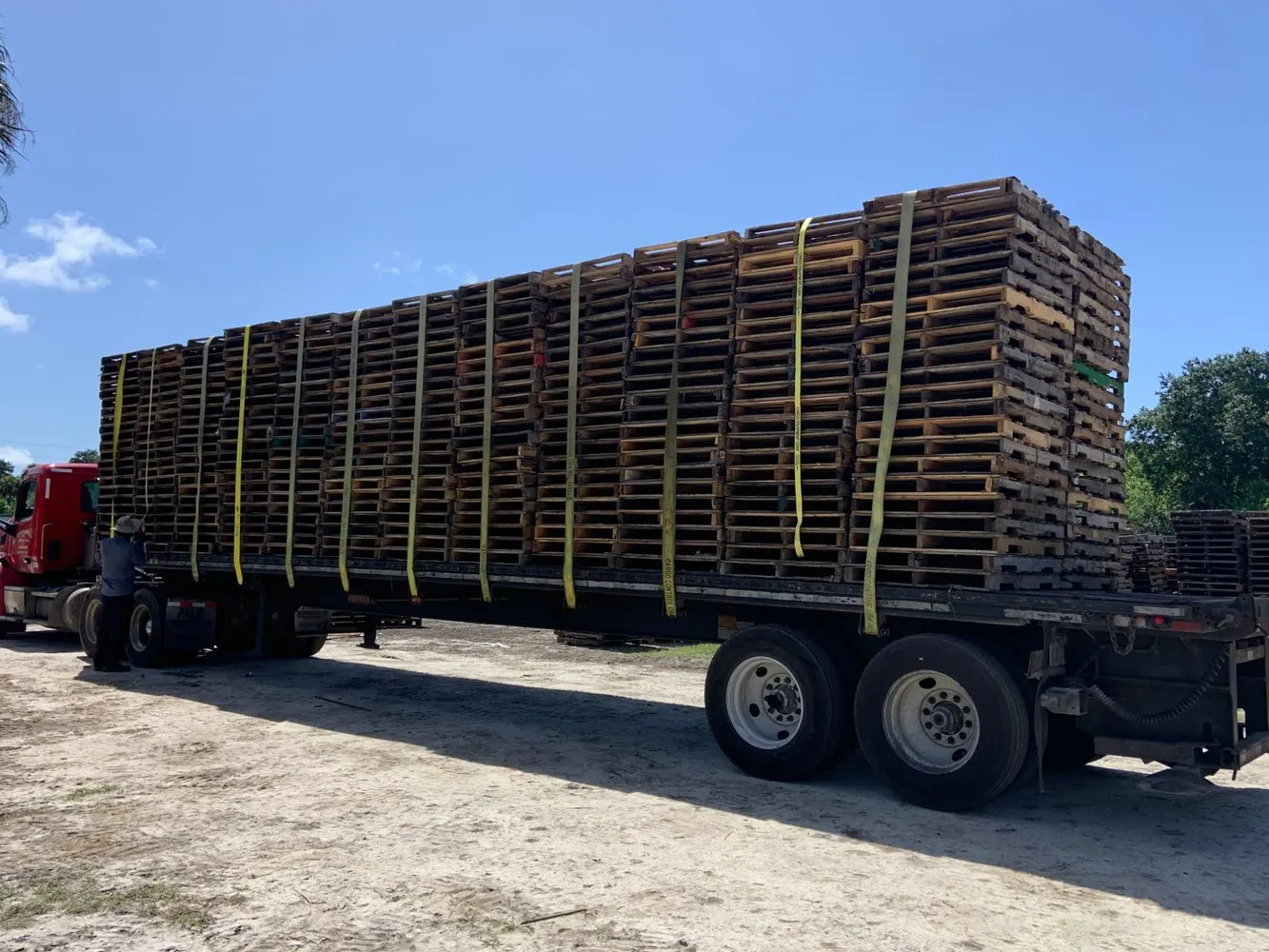
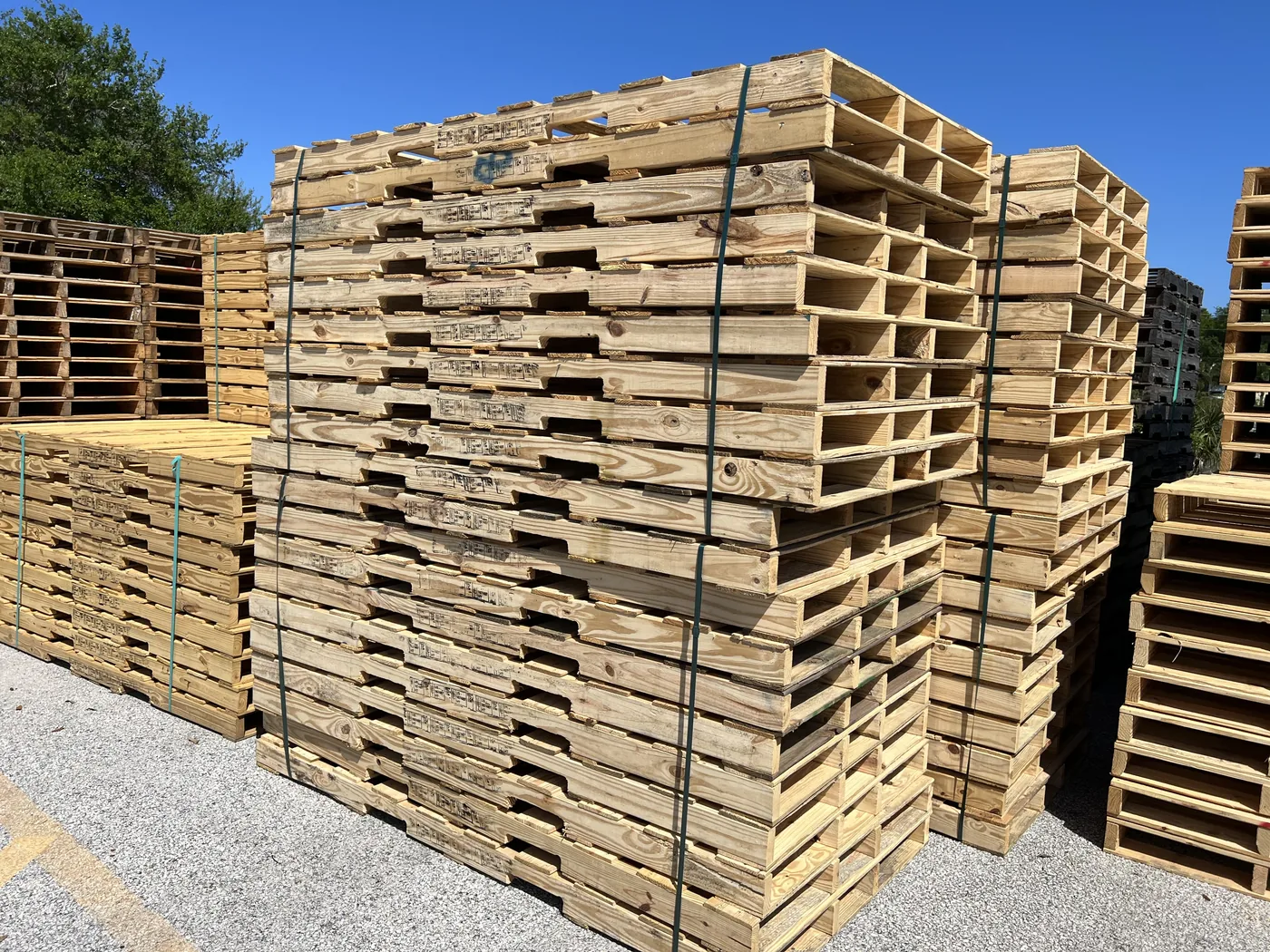
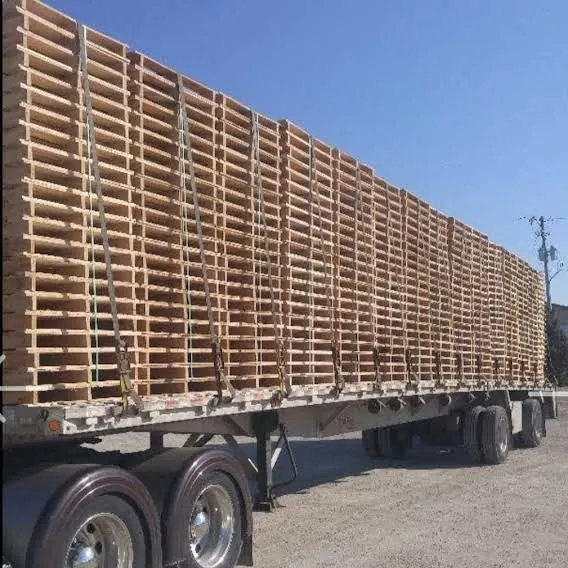
Medium Volume (500-5,000 pallets/order) - Orange County
Pallet demand in Orange County, North Carolina is shaped by the local economy and the regional supply chain - distribution, manufacturing, and food/beverage operations all consume pallets at predictable cadences. United States Pallets aligns our Medium Volume (500-5,000 pallets/order) delivery rhythm to those operations, with same-day rush options when production schedules tighten and standing-order programs for predictable weekly volume.
Medium Volume (500-5,000 pallets/order) suppliers serving Orange County businesses range from regional yards with limited inventory to national networks with deep multi-grade stock. United States Pallets sits in the second category, structured specifically for high-volume B2B operations - 50+ pallets per order minimum, scheduled programs for 500+/week accounts, and dimensional consistency tight enough for AGV-equipped warehouses.
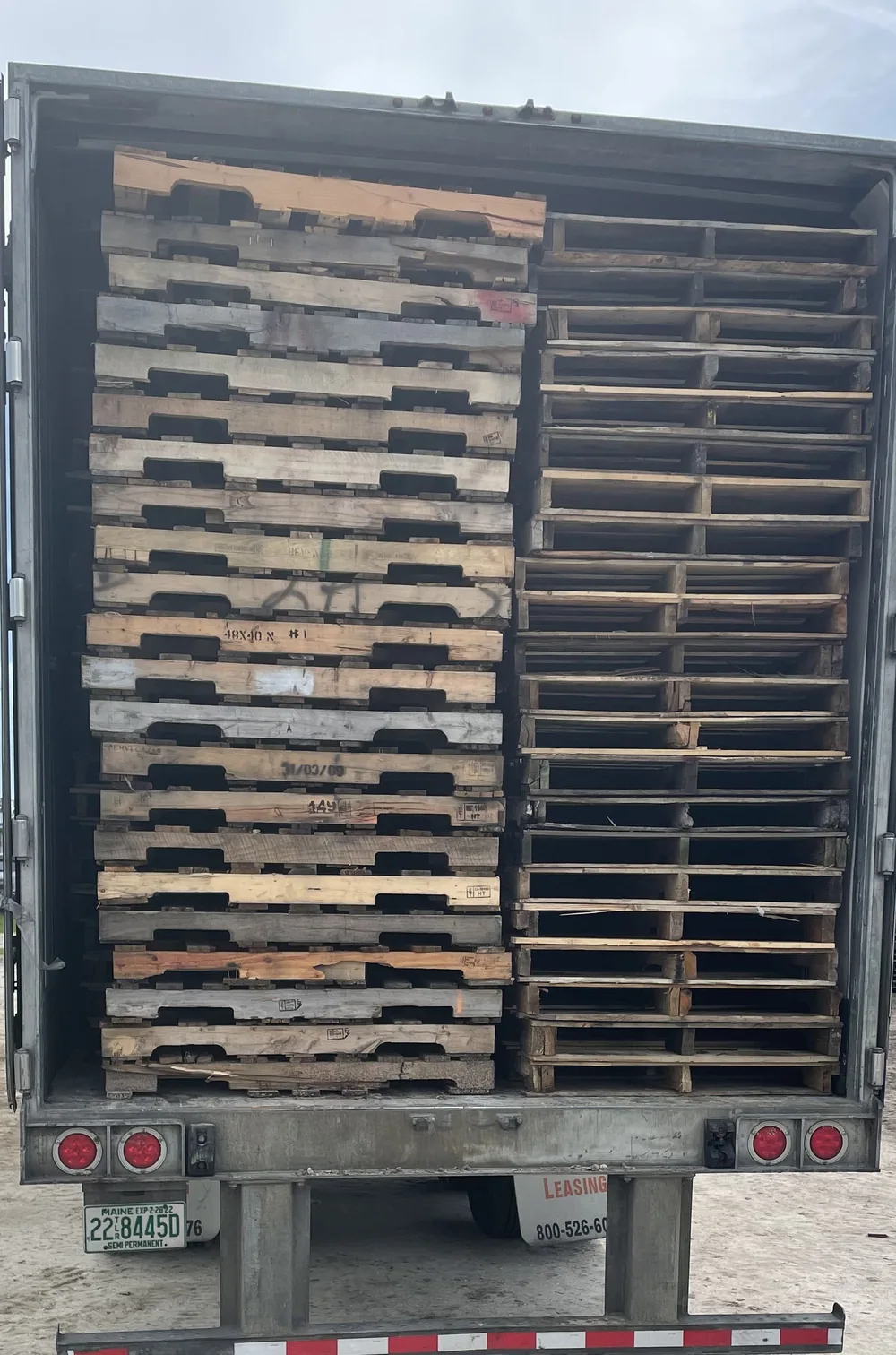
Orange County Medium Volume (500-5,000 pallets/order) Programs
Mid-market pallet supply for growing manufacturers and 3PLs.
- Volume-based pricing tiers
- Multi-grade inventory always in stock
- Same-day shipping in most markets
Can United States Pallets handle Medium Volume (500-5,000 pallets/order) for high-volume Orange County operations?
Yes. Standing-order programs for Orange County operations running 500+ pallets/week lock in tiered pricing, reserve delivery slots, and run on autopilot in the background. Custom contract terms available for accounts running 2,000+/week.
Does United States Pallets supply Medium Volume (500-5,000 pallets/order) for export from Orange County?
Yes, with ISPM-15 heat-treated pallets carrying IPPC stamps and full ISPM-15 documentation. Required for international shipments to all WTO member countries. Common for Orange County customers with port access via North Carolina\'s major export gateways.
What credit terms does United States Pallets offer Orange County customers?
Net-30 credit terms standard after the first 1-3 prepaid or COD loads while credit is being established. Submit a credit application with three trade references; approval typically processes within 48 hours. Volume accounts can negotiate net-45 or net-60.
What\'s the minimum order quantity for Medium Volume (500-5,000 pallets/order)?
50 pallets per order minimum on buy-side. Sell-side (buyback) minimum is 250 pallets per single-size load. Volume tiers kick in automatically as cumulative monthly volume increases - 500+/week accounts qualify for standing-order programs with reserved delivery slots.
What documentation accompanies Medium Volume (500-5,000 pallets/order) loads?
BOL, packing list, grade certifications standard. Heat-treated loads add IPPC stamps and ISPM-15 documentation. Pharma-grade loads add batch records. Food-grade loads add FSMA Sanitary Transportation Rule certifications. All documentation ships electronically before delivery.
Orange County Medium Volume (500-5,000 pallets/order) Quote
Response under 2 business hours.