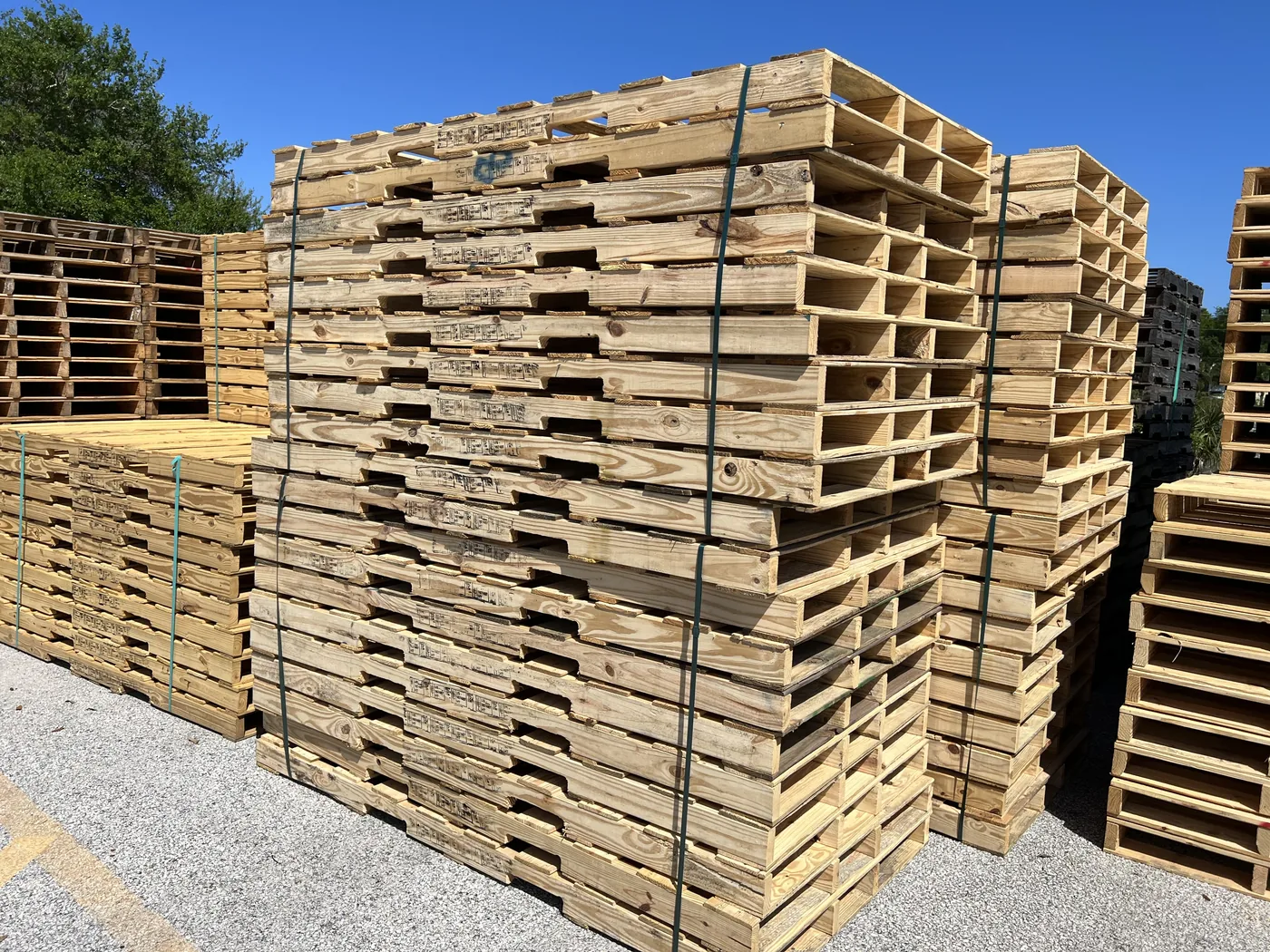
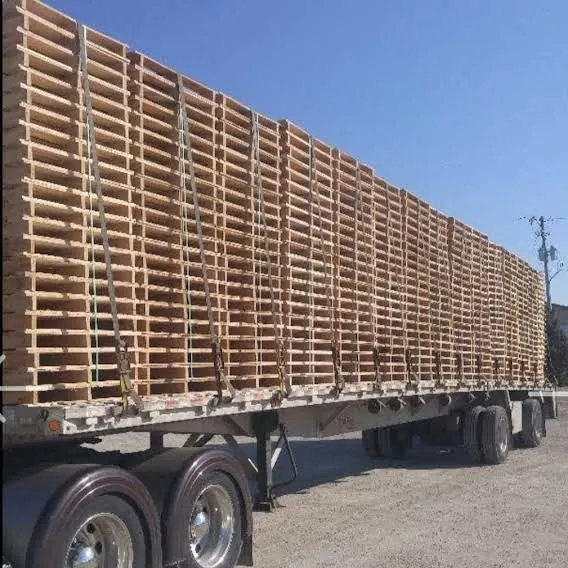
Small Volume (50-500 pallets/order) - Pierce County
When Pierce County, Washington operations need Small Volume (50-500 pallets/order) at scale, the supplier shortlist comes down to three things: inventory depth, delivery reliability, and documentation. United States Pallets engineers our Small Volume (50-500 pallets/order) program to win on all three - new GMA stock plus recycled Grade A and B always available, scheduled weekly delivery, and BOL/IPPC/grade certifications electronic before each load arrives.
Whether you're operating a single Pierce County warehouse or a multi-site network across Washington, the Small Volume (50-500 pallets/order) requirements are the same: consistent grade, on-time delivery, accurate count, and clean paperwork. United States Pallets built our Small Volume (50-500 pallets/order) program around exactly that profile of customer.
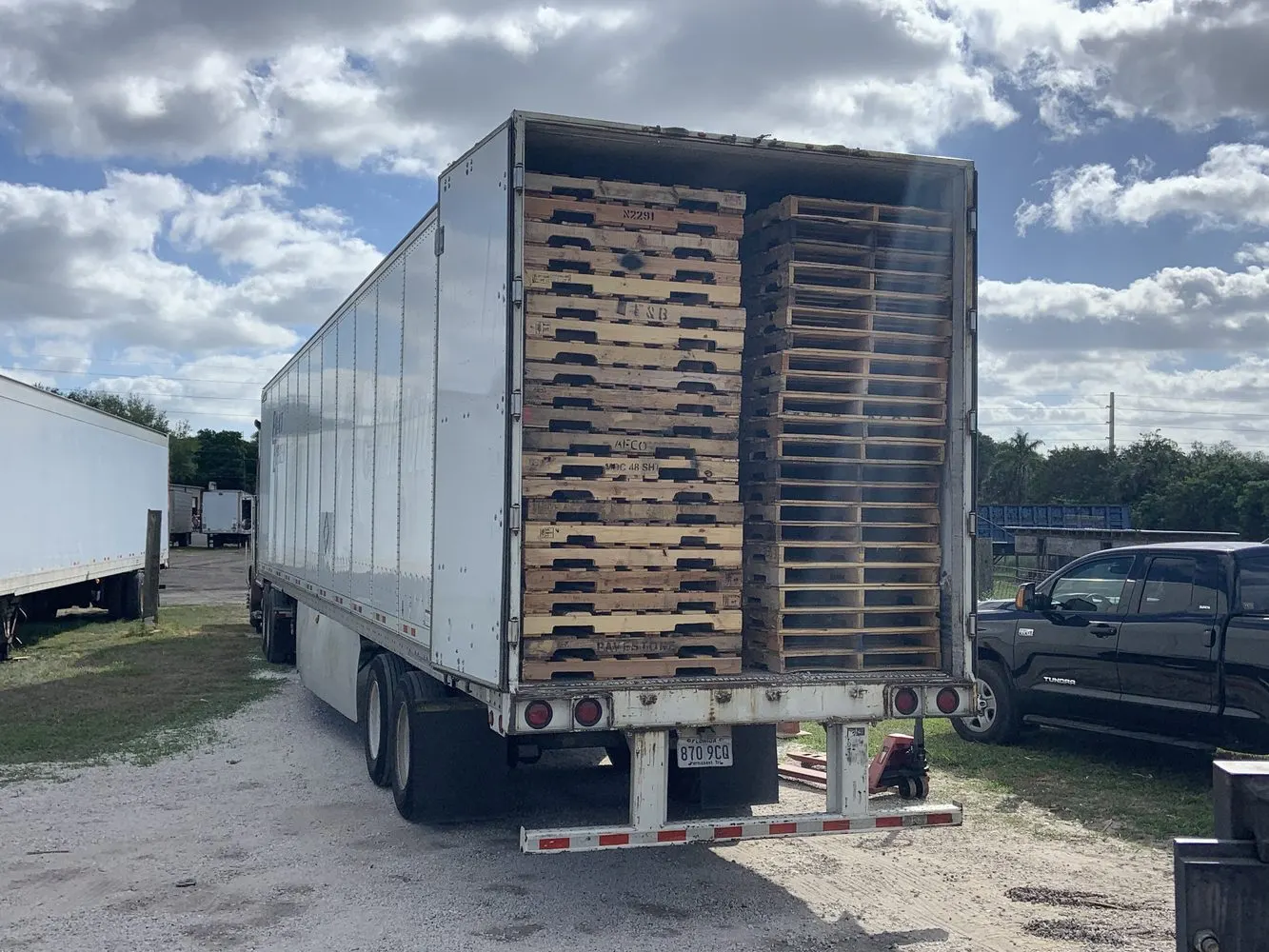
Pierce County Small Volume (50-500 pallets/order) Programs
Small-batch pallet supply for startups, small manufacturers, and seasonal operations.
- Volume-based pricing tiers
- Multi-grade inventory always in stock
- Same-day shipping in most markets
What documentation accompanies Small Volume (50-500 pallets/order) loads?
BOL, packing list, grade certifications standard. Heat-treated loads add IPPC stamps and ISPM-15 documentation. Pharma-grade loads add batch records. Food-grade loads add FSMA Sanitary Transportation Rule certifications. All documentation ships electronically before delivery.
What\'s the minimum order quantity for Small Volume (50-500 pallets/order)?
50 pallets per order minimum on buy-side. Sell-side (buyback) minimum is 250 pallets per single-size load. Volume tiers kick in automatically as cumulative monthly volume increases - 500+/week accounts qualify for standing-order programs with reserved delivery slots.
Does United States Pallets buy back used pallets in Pierce County?
Yes. We buy back used pallets from Pierce County collectors, recyclers, and warehouses - 250-pallet minimum per load, single-size only (no mixed-size loads). Fast ACH payment, typically same-day or net-7 depending on volume. Pickup arranged on standard outbound delivery routes.
How fast does United States Pallets deliver to Pierce County, Washington?
Same-day shipping in our Southeast/Mid-Atlantic core (FL, GA, AL, TN, MS, SC, NC, KY, VA) and scheduled weekly delivery elsewhere. Express options available for Pierce County rush orders. Quote response under 2 business hours, dispatch within hours of order confirmation.
Does United States Pallets ship Small Volume (50-500 pallets/order) to all of Washington?
Yes. We deliver to every commercial address in Washington, with same-day shipping standard in our Southeast/Mid-Atlantic core and scheduled weekly delivery elsewhere. Pierce County-area accounts are typical - submit a quote with your dock location and we route accordingly.
Pierce County Small Volume (50-500 pallets/order) Quote
Response under 2 business hours.