Food safety frameworks layer onto pallet specs. Master guide covers FSMA, GFSI Benchmarked Schemes, ISO 22000, and FDA Traceability.

Food Safety Pallet Compliance: FSMA, GFSI, ISO 22000 Master Guide
Pallet Lumber & Sawmill Operations
Stamped kiln-dried pallet lumber, bulk warehouse stock, dimensional yard inventory, raw softwood logs, and sawmill operations - the supply chain behind every custom and standard pallet we ship.
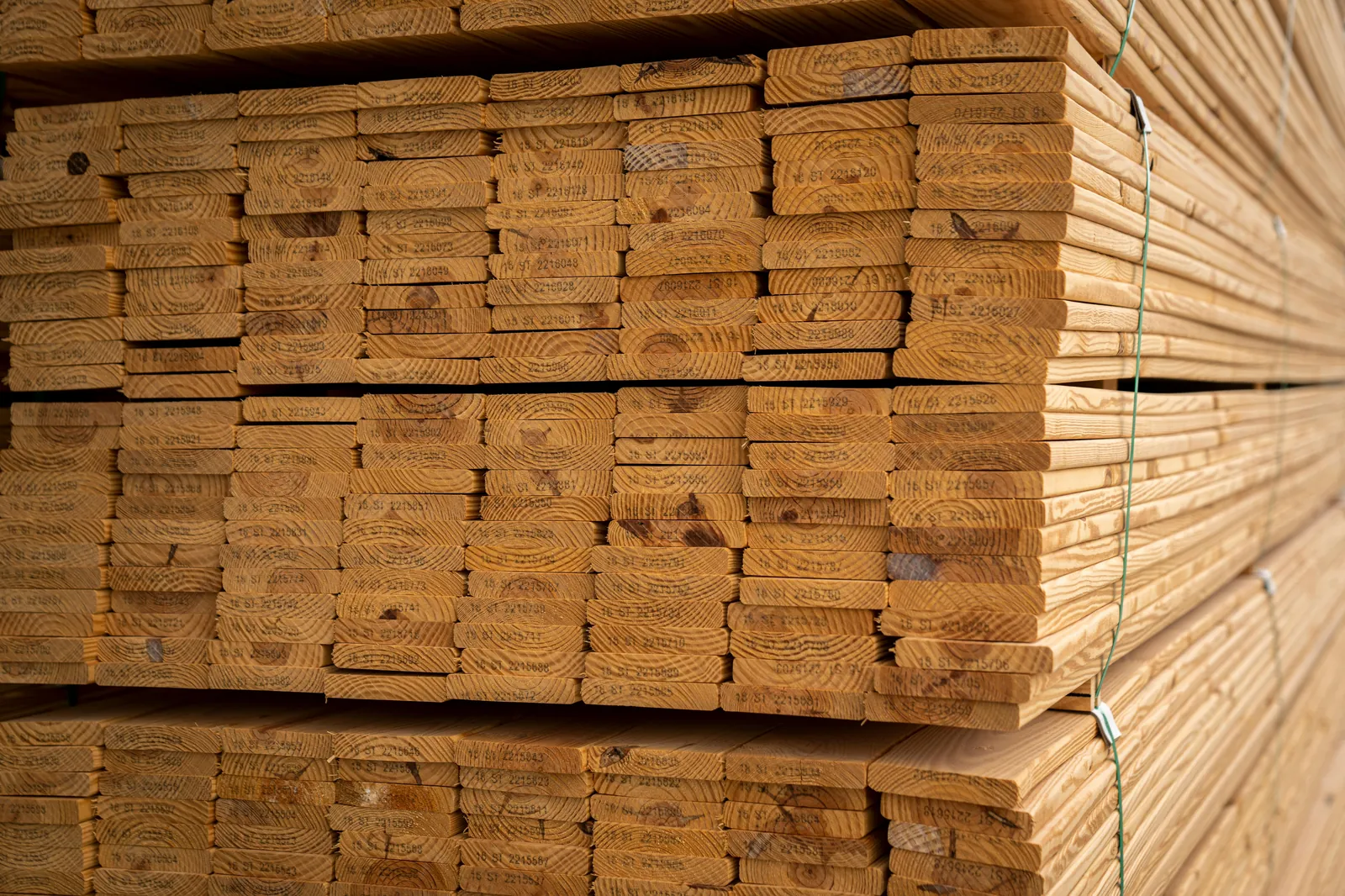

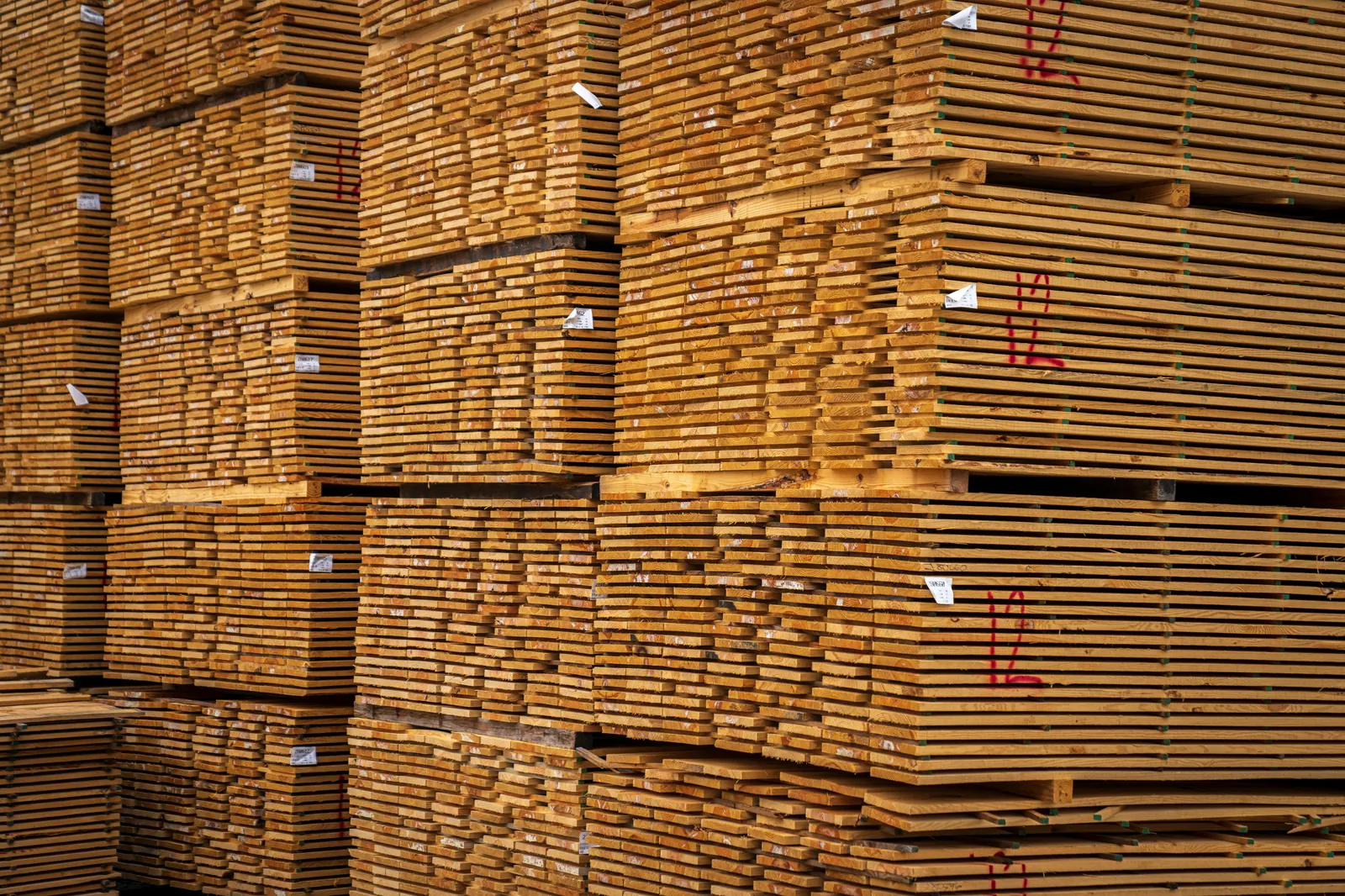


Food safety frameworks layer onto pallet specifications for any operation handling food products. FSMA (Food Safety Modernization Act), GFSI (Global Food Safety Initiative) Benchmarked Schemes, and ISO 22000 each impose distinct requirements that compound. This guide is the most comprehensive food safety pallet compliance reference published online in 2026.
FSMA Sanitary Transportation Rule (21 CFR 1.900)
Applies to all pallets contacting food products in transit. Key requirements: kiln-dried wood (8-15% moisture content), no chemical residues, sanitation procedures documented, contamination prevention. Pallet suppliers must validate kiln-drying through documented thermal records and provide audit-ready certificates per shipment.
FSMA Section 204 Food Traceability Rule
Effective January 20, 2026. FDA Food Traceability List items require lot-level traceability via GS1 SSCC barcoding. Records retained 24+ months. Critical Tracking Events (CTE) and Key Data Elements (KDE) per FDA rule.
GFSI Benchmarked Schemes
The Global Food Safety Initiative benchmarks 12 food safety standards. Major schemes:
- SQF (Safe Quality Food): detailed sanitation protocols, retailer-required for many US grocers
- BRC (Brand Reputation Compliance): structural integrity verification, common in UK retailers
- FSSC 22000: ISO 22000 + sector PRPs (Pre-Requisite Programs)
- IFS (International Featured Standards): vendor audit verification, common in EU retailers
ISO 22000 Food Safety Management System
The international food safety management system standard. Aligns with FSMA, HACCP, GFSI Benchmarked Schemes. Pallet supplier audit requirements: facility tour, kiln-drying validation, sanitation procedures, contamination prevention, ISO 22000 certificate or alignment statement.
Pallet Specs Common Across All Food Safety Frameworks
- Kiln-dried wood (8-15% moisture content)
- Sealed deck (no contamination harboring)
- NWPCA Grade A or NEW only (Grade B and below not acceptable for food contact)
- FSMA Sanitary Transportation alignment
- FSMA Section 204 GS1 SSCC barcoding for FDA Traceability List items
- Vendor sanitation procedures documented
- FSC chain-of-custody available for ESG-aligned operations
FDA Food Traceability List Items (effective Jan 20, 2026)
| Category | Examples |
|---|---|
| Leafy greens | Lettuce, spinach, kale, arugula, romaine |
| Melons | Cantaloupe, honeydew (watermelon excluded) |
| Peppers | Bell peppers (only) |
| Sprouts | Alfalfa, mung bean, clover |
| Tomatoes | All fresh tomatoes |
| Tropical fruits | Mango, papaya |
| Herbs | Cilantro, parsley, basil |
| Nut butters | Peanut, almond (refrigerated) |
| Ready-to-eat deli salads | Egg, tuna, chicken, potato salads |
| Soft cheeses | Brie, queso fresco (raw milk excluded) |
| Shell eggs | Certain refrigerated |
| Finfish | All except molluscan shellfish |
| Crustaceans | Shrimp, crab, lobster, crayfish |
| Mollusks | Clams, mussels, oysters, scallops |
USDA-FSIS Audit-Ready Documentation
For meat, poultry, and processed eggs (USDA-FSIS jurisdiction), pallet supplier must provide: kiln-dried validation, FSMA Sanitary Transportation alignment, USDA-FSIS audit-ready records, sanitation procedures, ISO 22000 alignment for processing facilities.
Companion Resources
- FSMA Section 204 Deep Dive
- ISO 22000 Alignment Playbook
- GFSI Schemes Playbook
- FSMA Section 204 Implementation
What documentation accompanies food safety pallet compliance: fsma, gfsi, iso 22000 master guide loads?
BOL, packing list, grade certifications standard. Heat-treated loads add IPPC stamps and ISPM-15 documentation. Pharma-grade loads add batch records. Food-grade loads add FSMA Sanitary Transportation Rule certifications. All documentation ships electronically before delivery.
How fast does United States Pallets deliver to United States, United States?
Same-day shipping in our Southeast/Mid-Atlantic core (FL, GA, AL, TN, MS, SC, NC, KY, VA) and scheduled weekly delivery elsewhere. Express options available for United States rush orders. Quote response under 2 business hours, dispatch within hours of order confirmation.
What credit terms does United States Pallets offer United States customers?
Net-30 credit terms standard after the first 1-3 prepaid or COD loads while credit is being established. Submit a credit application with three trade references; approval typically processes within 48 hours. Volume accounts can negotiate net-45 or net-60.
Does United States Pallets buy back used pallets in United States?
Yes. We buy back used pallets from United States collectors, recyclers, and warehouses - 250-pallet minimum per load, single-size only (no mixed-size loads). Fast ACH payment, typically same-day or net-7 depending on volume. Pickup arranged on standard outbound delivery routes.
What's the minimum order quantity for food safety pallet compliance: fsma, gfsi, iso 22000 master guide?
50 pallets per order minimum on buy-side. Sell-side (buyback) minimum is 250 pallets per single-size load. Volume tiers kick in automatically as cumulative monthly volume increases - 500+/week accounts qualify for standing-order programs with reserved delivery slots.
Quote Request
Sub-2-hour response.