Demurrage is the charge for leaving a container or rail car at the port or rail terminal beyond the allowed free time.
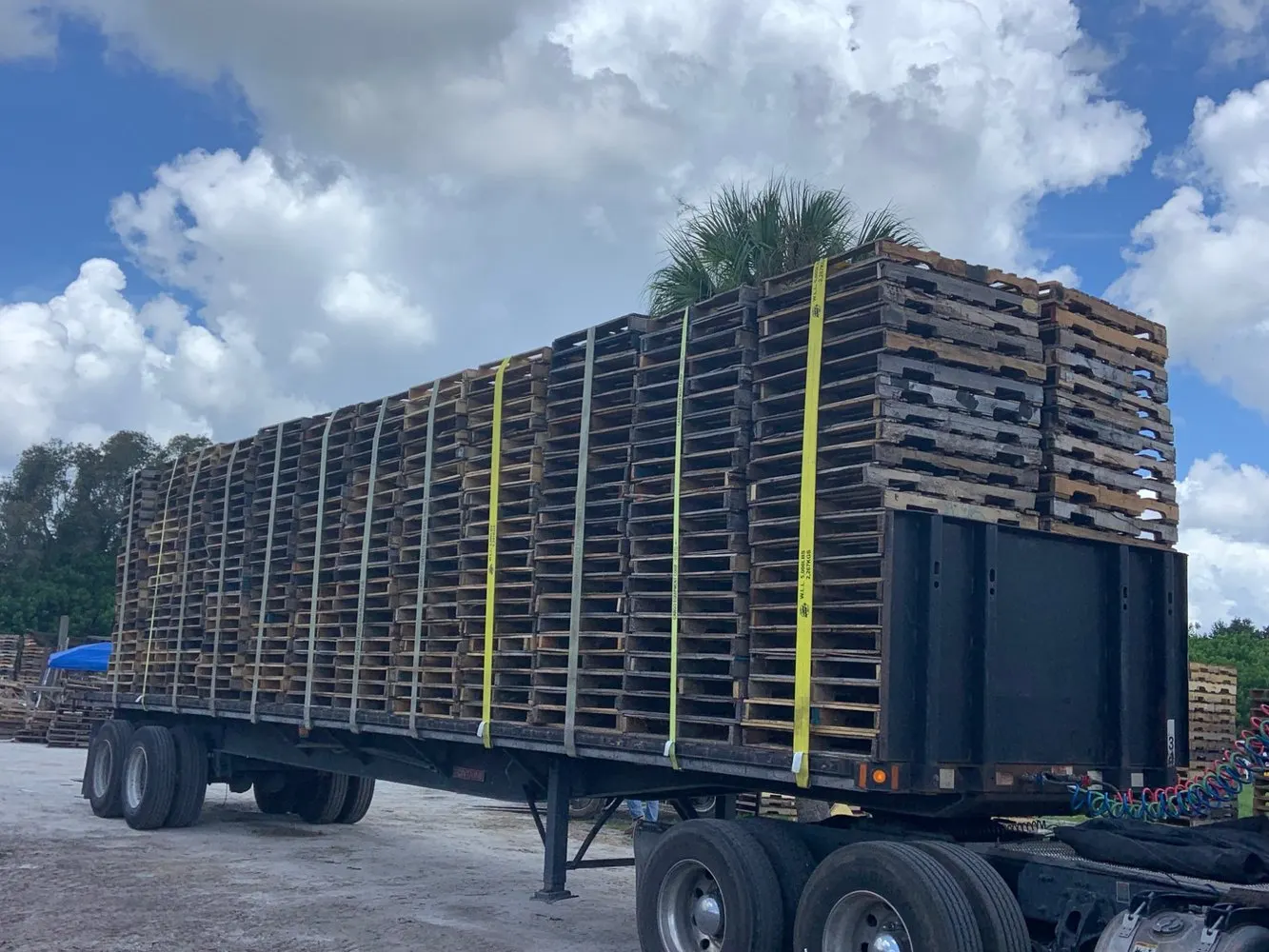
Detailed Definition
Demurrage applies mainly to ocean and rail shipments. Each carrier or terminal allows a number of free days to pick up an import container or return an export container, and charges accrue for each day after that. Rates, free time and any escalation are set in the carrier's or terminal's tariff or the shipping contract, so they vary widely. Ocean demurrage is often discussed alongside detention, which covers keeping the equipment outside the terminal too long. In US ocean trade, the Federal Maritime Commission has rules on how these charges are billed.
Demurrage, detention and per diem
The terms are used loosely, which causes billing disputes. For ocean containers, demurrage usually means the container is still inside the port or terminal after free time. Detention, sometimes called per diem, usually means the container has left the terminal and has not been returned on time. Some carriers combine both into one charge. In trucking, detention means something different: the wait time charged when a truck is held at a shipper or receiver. Always check which definition the invoice uses, and which party the free time clock applies to, before agreeing to pay.
How to avoid demurrage on palletized freight
- Know the free time before the container arrives and plan drayage pickup early.
- Clear customs and any holds quickly. Missing documents or wood packaging problems can stop release.
- Unload containers promptly at the warehouse, which is easier when cargo is palletized than when it is floor loaded.
- Keep records of terminal closures or appointment problems, which may support a dispute.
Charges are set per container per day, so a few days of delay on several containers adds up quickly. Palletized cargo can also be unloaded faster than loose cartons, which shortens the time before an empty container can be returned.
Authoritative Sources
- American Trucking Associations (ATA): the largest national trade association for the US trucking industry.
- Transportation Intermediaries Association (TIA): the trade association representing US freight intermediaries and 3PL operators.
Related Glossary Terms
Frequently Asked Questions
Who pays demurrage on an import container?
The party responsible under the shipping contract and the carrier's tariff pays, which is usually the importer or the consignee on the bill of lading, although charges may be billed through a forwarder or broker. If the delay was caused by another party, such as a terminal that could not provide appointments, the payer may be able to dispute the charge. Read the contract terms and keep records of every attempt to pick up the container.
Can demurrage charges be disputed?
Yes. Carriers and terminals publish tariffs and dispute procedures, and invoices can be challenged when free time was miscounted, the container was not available, or the delay was outside the customer's control. In US ocean trade, the Federal Maritime Commission has rules on what demurrage and detention invoices must contain and on how disputes are handled. Gather dates, appointment records and correspondence before filing a dispute.