Detention is the charge for holding a truck/trailer beyond contracted free time at loading or unloading.
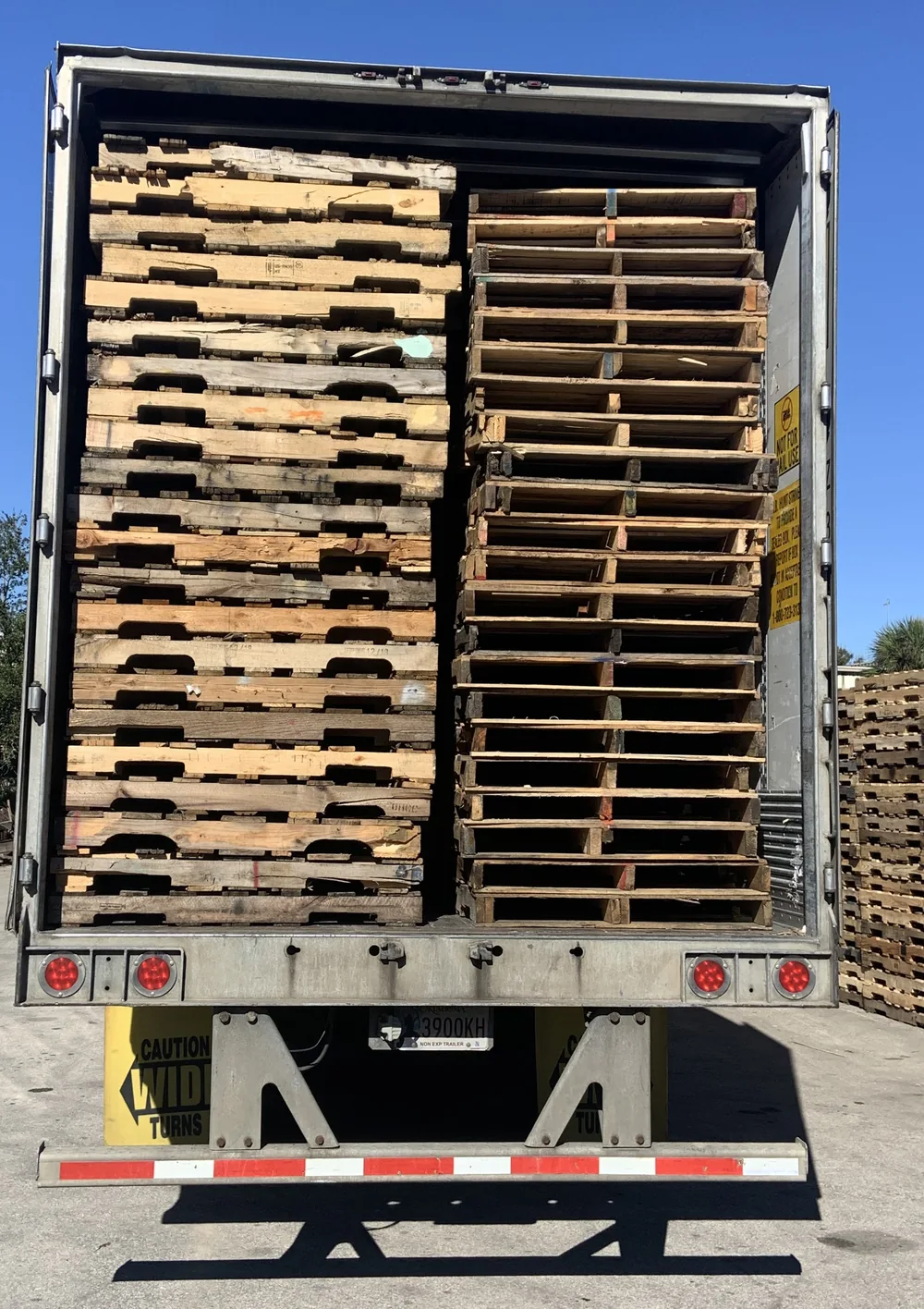
Detailed Definition
In trucking, the carrier allows a set amount of free time at each pickup or delivery, often around two hours, and may bill detention for time beyond that. The free time, the hourly or daily rate, and the proof required are set by the carrier's tariff, the broker agreement or the shipping contract, so they vary. Long waits usually point to problems such as missed appointments, unready freight or limited dock doors. For containers, detention can also mean keeping carrier equipment too long, which is related to demurrage.
How detention time is measured
The clock usually starts at the scheduled appointment time or when the driver checks in, whichever is later, and stops when the driver gets the signed paperwork and leaves. Carriers rely on gate logs, electronic logging data and signed in and out times on the bill of lading. If a truck arrives late for its appointment, many contracts say free time does not apply in the usual way, and the facility may work the truck in only when a door opens. Shippers and receivers should keep their own timestamped records to check detention invoices.
Reducing detention at the dock
- Have freight staged and wrapped before the appointment time.
- Schedule enough doors and labor for peak arrivals.
- Use pallets that are easy to load. Broken or off-size pallets that need restacking add time.
- Agree on free time and detention terms in writing before freight moves.
Carriers and brokers track which facilities hold trucks for long periods, and a reputation for long waits can lead to higher rates or fewer carriers willing to accept the load. Fixing the cause at the dock is usually cheaper than paying the charges.
Authoritative Sources
- American Trucking Associations (ATA): the largest national trade association for the US trucking industry.
- Transportation Intermediaries Association (TIA): the trade association representing US freight intermediaries and 3PL operators.
Related Glossary Terms
Frequently Asked Questions
Who pays truck detention charges?
The shipping contract or rate confirmation decides. Detention at pickup is often billed to the shipper and detention at delivery to the receiver, but the carrier usually invoices whoever hired it, such as the shipper or a freight broker, who may then pass the charge on. Make sure the purchase or sales terms say who is responsible for delays at each end so the cost lands with the party that caused it.
How can a shipper check whether a detention charge is valid?
Compare the carrier's in and out times with your own gate or dock records, confirm the appointment time and whether the driver arrived on time, and check the free time and rate in the agreed terms. Many contracts require the carrier to notify the shipper or broker while detention is building rather than only on the invoice. If the records do not support the charge, dispute it promptly with the documentation attached.