A fulfillment center (FC) is a warehouse specialized for e-commerce order picking and shipping.
Detailed Definition
Fulfillment centers (FCs) handle e-commerce orders that usually contain one or a few units, picking and packing them for parcel carriers. Pallets mostly appear at inbound: suppliers ship palletized freight that the FC receives, breaks down and stores in bins, shelving or racking. Outbound is mostly parcels, with some LTL for larger items. Operators include retailers running their own networks and 3PLs serving many sellers. Compare a distribution center, which ships cases and pallets to stores.
Inbound pallet requirements at fulfillment centers
Fulfillment centers often publish strict inbound rules, because receiving speed drives the whole building. Requirements vary by operator, but they commonly cover pallet size and condition, maximum load height and weight, labels on each pallet and carton, how mixed SKUs are separated, and delivery appointments. Freight that breaks the rules may be refused or charged for extra handling. Read the current routing guide for the specific network before shipping.
How fulfillment centers differ from distribution centers
A distribution center usually ships full cases or full pallets to stores or businesses, so pallets move both in and out. A fulfillment center ships individual orders to consumers, so it relies on split case picking, packing stations and parcel sortation. Many buildings now mix both roles. For shippers, the practical difference is that pallets sent to an FC are often one way inbound units rather than loads that leave again with product.
Preparing pallets for a fulfillment center
Build pallets so cartons can be identified and removed quickly. Keep each SKU together where the guide asks for it, put carton labels facing out and keep the load within the height limit. Use a sound pallet that will not break during unloading. Send the advance ship notice or booking details the network requires before the truck arrives.
Authoritative Sources
- Material Handling Institute (MHI): the largest US trade association for material handling, logistics, and supply chain technologies.
Related Glossary Terms
Frequently Asked Questions
What pallets do fulfillment centers accept?
Most accept standard 48 x 40 inch pallets in good condition, but rules differ by operator and sometimes by building. Typical requirements cover pallet type, maximum height and weight, no overhang, stretch wrapping and labels on specific sides. Some networks require particular pallet grades or pooled pallets for certain programs. Check the operator's current inbound or routing guide before each new program, as requirements change and refused freight is costly.
What happens to pallets after a fulfillment center unloads them?
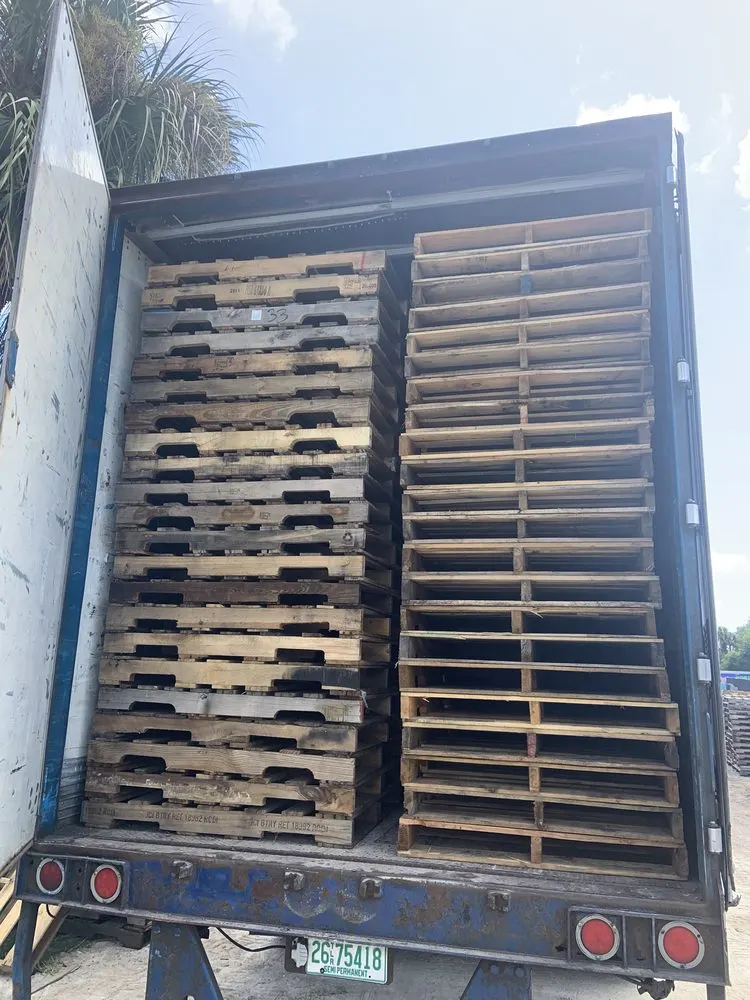
Inventory is usually taken off the pallet and put into bins, shelves or other storage, leaving empty pallets behind. Pooled rental pallets go back to the pool through its return process. White-wood pallets are typically sorted, reused within the network or sold to recyclers. Shippers who want their own pallets returned need a specific arrangement, which is uncommon for one way e-commerce inbound freight.