Long-distance trucking between LTL terminals or between major distribution hubs.
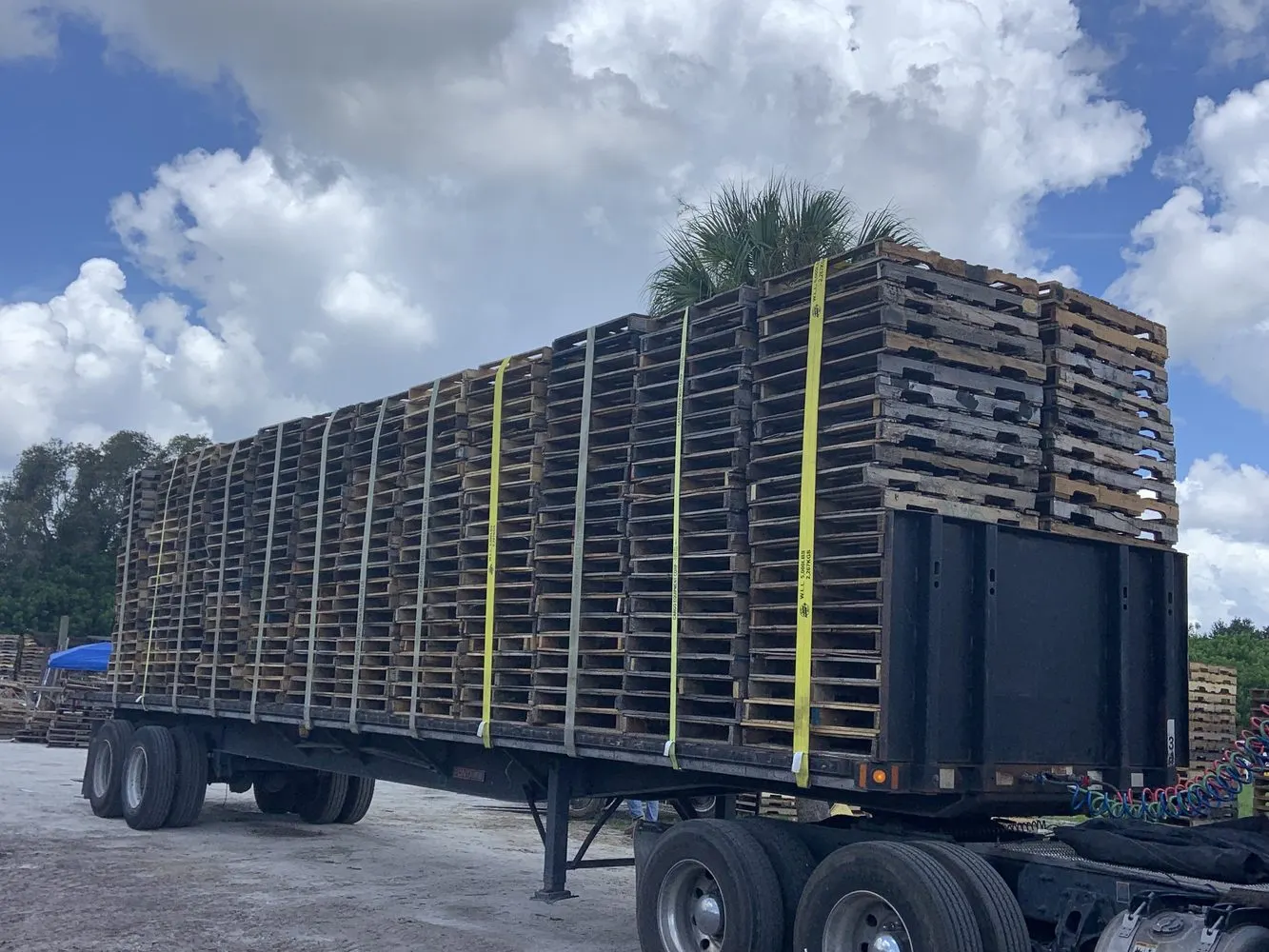
Detailed Definition
Linehaul is the long-distance segment of a freight move, as opposed to local pickup and delivery. In an LTL network, linehaul trucks carry consolidated freight between terminals and hubs, often overnight, while local drivers run pickup and delivery routes. The term is also used in truckload and intermodal pricing for the main transport charge, separate from fuel surcharges and accessorials. LTL linehaul commonly uses twin 28 foot trailers as well as 53 foot trailers.
Linehaul in an LTL network
After pickup, freight crosses the dock at the origin terminal and is loaded onto a linehaul trailer bound for a hub or destination terminal. Long routes may be run by team drivers or relayed between drivers at intermediate points to stay within federal hours of service limits. Freight may be transferred again at a hub before reaching the delivery terminal. Each transfer is another chance for handling damage, which is why well-built, stretch wrapped pallets matter more in LTL than in direct truckload.
Linehaul on quotes and invoices
Carriers and brokers often split a rate into a linehaul charge plus a fuel surcharge and accessorial fees. When comparing quotes:
- Check whether the linehaul figure includes fuel or whether fuel is added separately.
- Ask which accessorials apply at pickup and delivery.
- For intermodal, see whether drayage at each end is included in the rate.
- Compare all-in totals rather than the linehaul line alone.
- Ask whether the quote assumes direct or relay service, since it affects transit time.
Contract truckload rates are often quoted per mile or as a flat linehaul amount per lane, with fuel calculated separately from a published index.
Related Glossary Terms
Frequently Asked Questions
What is the difference between linehaul and drayage?
Linehaul is the main long-distance part of a move, such as terminal to terminal for LTL or the rail leg of an intermodal shipment. Drayage is a short truck move, usually connecting a port or rail ramp with a warehouse or another terminal. An intermodal shipment typically has drayage at each end and rail linehaul in the middle, and each may be priced separately.
Why is LTL linehaul often run at night?
Running linehaul overnight lets LTL carriers pick up freight during the day, sort it at the origin terminal in the evening, move it between terminals overnight and deliver from the destination terminal the next business day or later. Highways are also usually less congested at night. Actual schedules depend on each carrier's network and lane, so check published transit times rather than assuming next-day service.