Freight shipping for loads smaller than full truckload, with multiple shippers sharing trailer space.
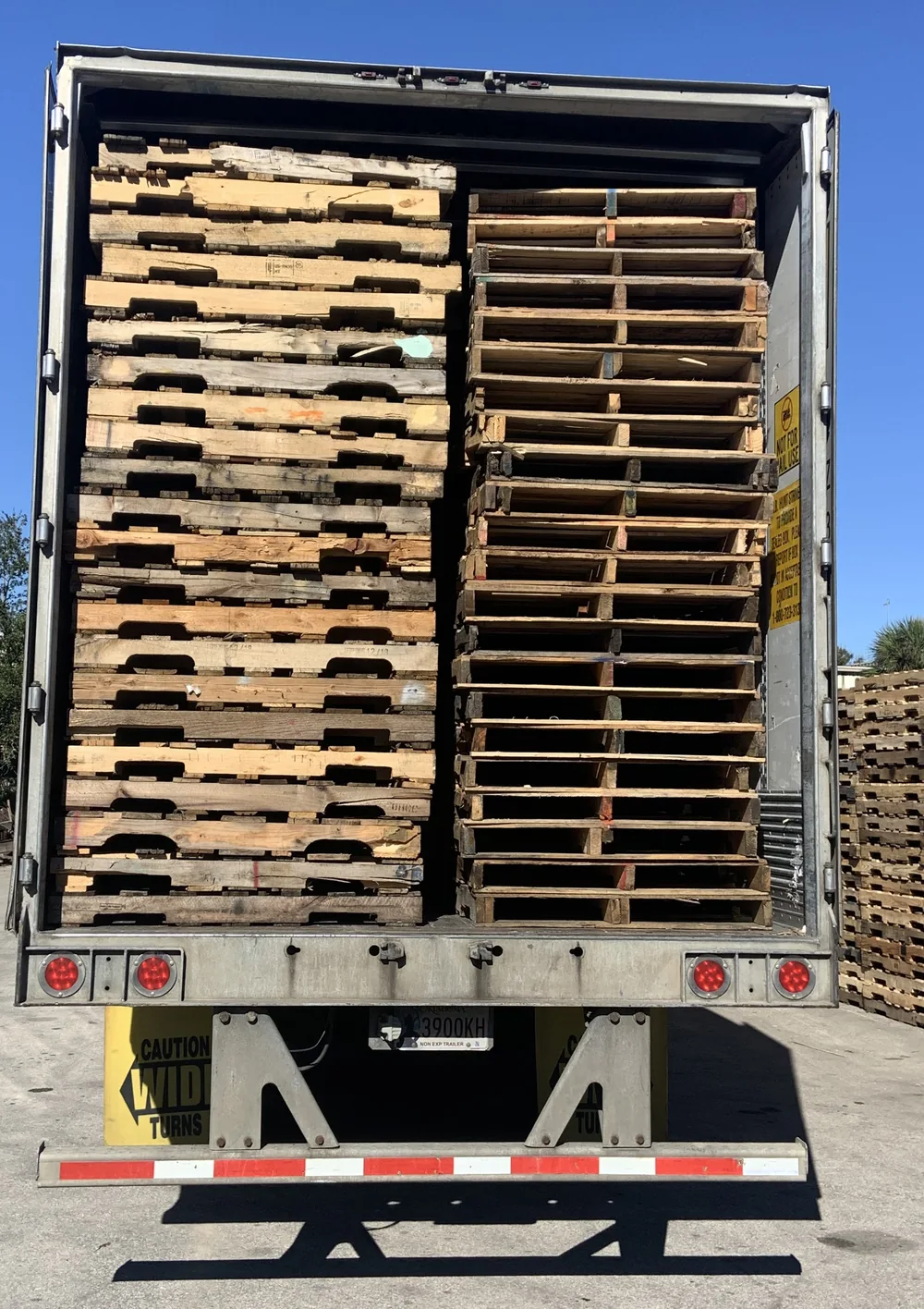
Detailed Definition
LTL (less-than-truckload) carriers combine palletized shipments from many shippers on one trailer and move them through a network of terminals. Freight is picked up, brought to a local terminal, sorted onto linehaul trailers, and cross-docked again near the destination before final delivery. Pricing is usually based on weight, distance and freight class under the NMFC, plus any accessorial charges. Because each pallet is handled several times, packaging and pallet quality matter more in LTL than in a sealed full truckload move.
How an LTL shipment is rated
An LTL quote typically starts from the shipment weight, origin and destination, and the freight class of the commodity. Carriers then add a fuel surcharge and accessorials for extra services such as liftgate delivery, residential or limited-access delivery, inside delivery, appointments or notify-before-delivery. Many shippers have negotiated discounts off a carrier's base tariff.
Accurate dimensions and weight on the bill of lading are important. Carriers can reweigh and re-inspect freight, and if the class or weight is wrong, the bill is corrected and the charge goes up.
Packing pallets for LTL
- Use a sound pallet with no broken boards, so it survives several forklift handlings.
- Keep cartons within the pallet edges; overhang crushes and tears.
- Stretch wrap the load to the pallet, not just around the cartons.
- Put a clear label on more than one side of each pallet.
- Avoid pyramid tops if you want the load to be stackable, or mark it do not stack if it is not.
When a shipment is large but still not a full trailer, ask carriers about volume LTL or partial truckload pricing, which can be cheaper than classed LTL.
Related Glossary Terms
Frequently Asked Questions
When does it make sense to ship LTL instead of a full truckload?
LTL usually fits shipments that fill only part of a trailer, often a handful of pallets, where paying for a whole truck would be wasteful. As pallet count and weight rise, a volume LTL quote, partial truckload or full truckload can become cheaper and involve less handling. Carriers set their own size limits for standard LTL, so get quotes for each mode when a shipment is in the middle range.
Why did my LTL invoice come in higher than the quote?
The most common reasons are a reweigh showing more weight than declared, a reclass to a different freight class after inspection, and accessorial charges that were not on the quote, such as liftgate, residential delivery, redelivery or storage. Fuel surcharges also move with fuel prices. To prevent surprises, record accurate weight and dimensions, describe the commodity correctly on the bill of lading, and list needed services when requesting the quote.