Pool vs buy compares pallet pool program economics versus pallet ownership.
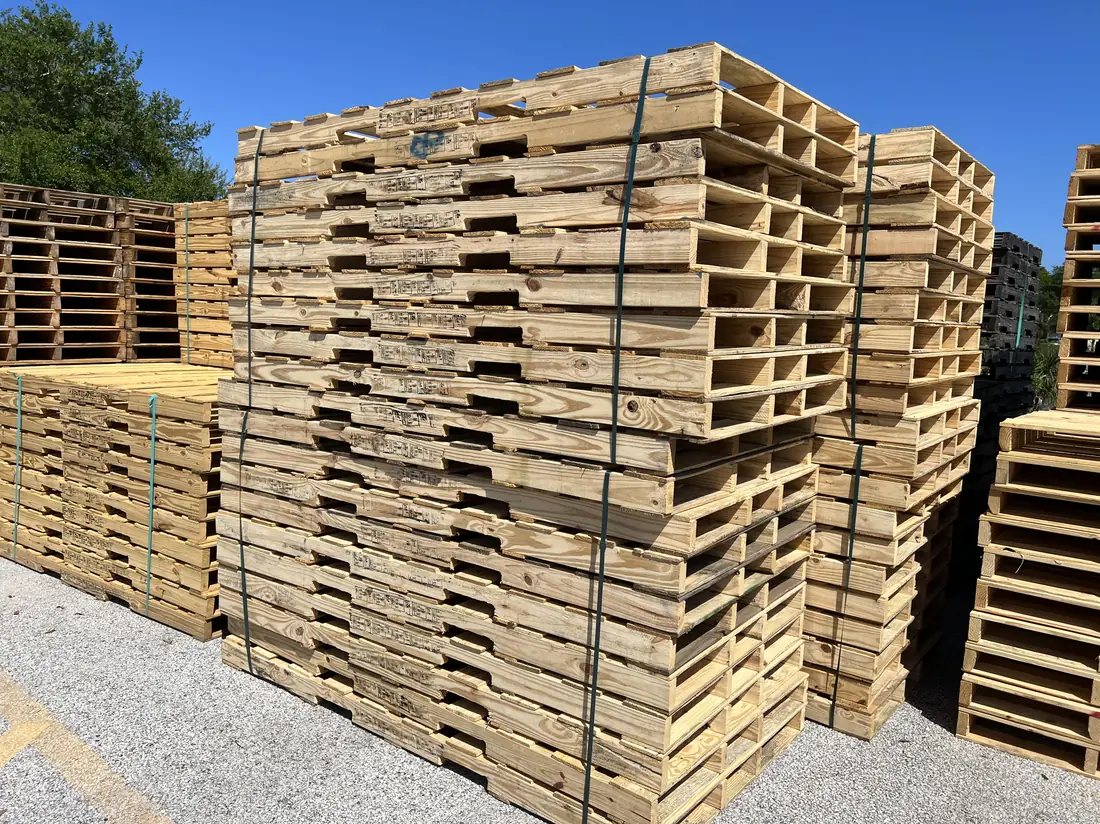
Detailed Definition
Renting from a pallet pool means no capital spent on a pallet fleet and no need to recover pallets from customers, but the shipper pays ongoing rental and transfer fees and accepts the pooler's rules. Buying white-wood pallets gives full control of the asset and the specification, but the owner carries the purchase cost, losses, repairs and any recovery logistics. The right answer depends on capital cost, how many pallets leak out of the network, and whether customers accept the pallet type.
Costs to compare on each side
A fair comparison puts every cost on the same basis, usually cost per shipment or per pallet trip. For a pooled pallet that means issue or hire fees, transfer fees, lost pallet charges and administration time. For a purchased pallet it means the purchase price, freight in, the share of pallets that never return, repairs, sorting, storage of empties and disposal. The total cost of ownership view is what matters, not the price per pallet alone.
Operational factors that change the answer
- Customer requirements: some receivers prefer or require a specific pool or will not handle certain pallets.
- Network shape: a closed-loop program with a few customers makes recovering owned pallets practical; a wide, one-way network makes it hard.
- Load and handling: pooled block pallets are built for repeated use, while one-way purchased pallets can be sized lighter for the job.
- Export: pallets leaving the country rarely come back, so one-way owned pallets are common for export.
Running the comparison
Use your own shipment data for a full year so seasonal volume is captured. Ask the pooler for a written fee schedule and ask pallet suppliers for quotes at your real quantities. Many shippers end up with a mix, pooling for retail grocery lanes and buying for export or closed-loop lanes.
Authoritative Sources
- National Wooden Pallet & Container Association (NWPCA): the US trade association representing wood pallet manufacturers, recyclers, and component producers, founded in 1947.
- Material Handling Institute (MHI): the largest US trade association for material handling, logistics, and supply chain technologies.
Related Glossary Terms
Frequently Asked Questions
Is buying pallets always cheaper than pooling?
No. Buying can be cheaper when pallets come back reliably, for example in a closed loop with a few customers, or when the pallet only needs to make one trip. Pooling can be cheaper when pallets would otherwise be lost across many receivers and recovery would be costly. The answer depends on your own loss rate, fees, freight and handling costs, so build the comparison from your shipment data rather than from general rules of thumb.
Can a company use both pooled and purchased pallets?
Yes, and many do. A common pattern is to use a pool for shipments to retailers that already work with that pooler, and purchased white-wood pallets for export, for customers outside the pool network, or for internal moves. The main risk is mixing the two in the warehouse, so keep pooled and owned pallets clearly separated and make sure transfers are reported correctly.