The flow of returned products and pallets from customer back to manufacturer or recycler.
Detailed Definition
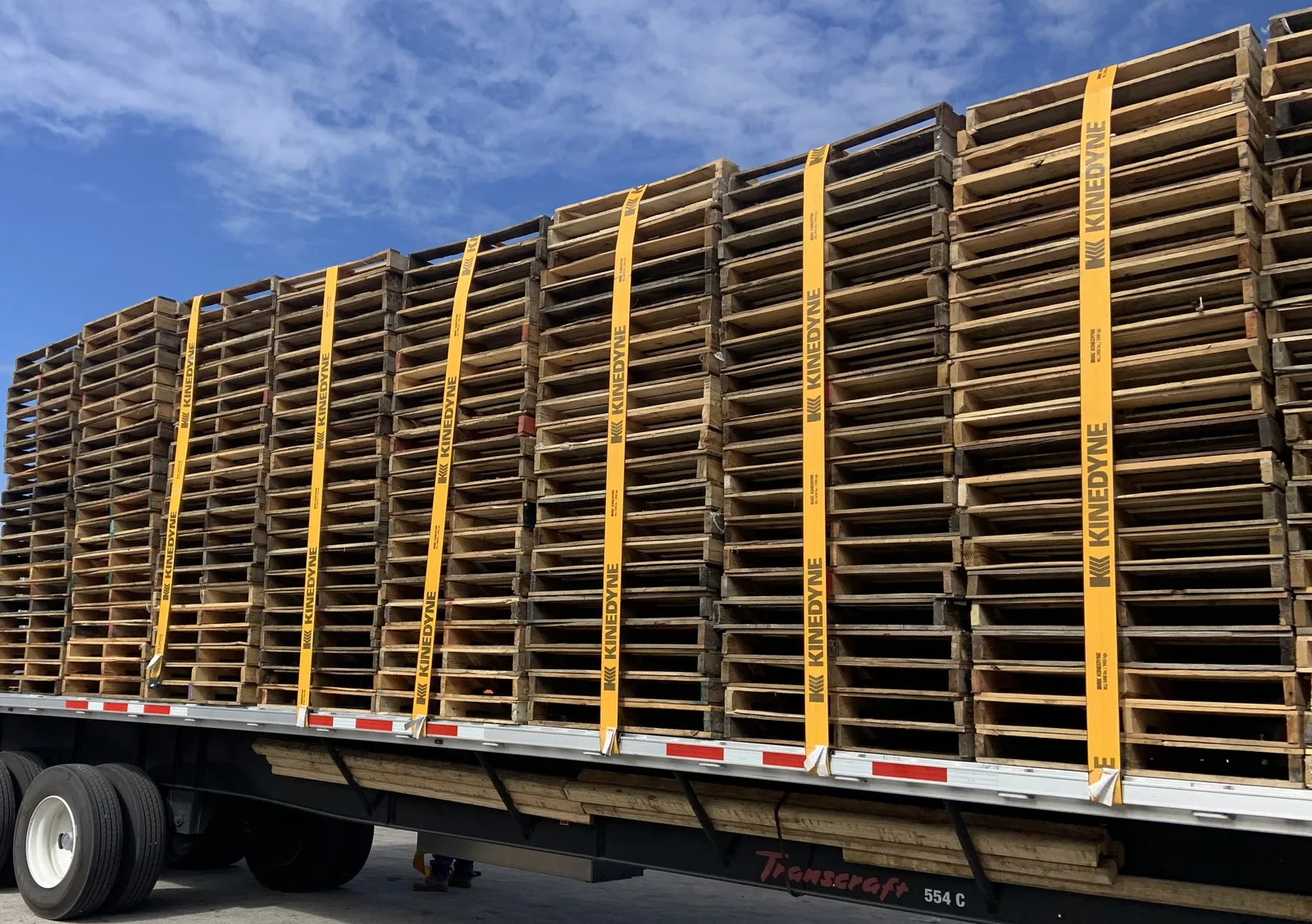
Reverse logistics covers everything that moves backward through the supply chain: customer returns, damaged or unsold goods, recalls, and the packaging and pallets that carried them. For pallets, it means collecting empties from receivers, sorting them, returning pool pallets to their owners, repairing reusable ones, and sending the rest to recycling or disposal. A well-run reverse flow recovers value and cuts disposal costs, while a poor one leaves pallets piling up behind stores and distribution centers.
Pallets in the reverse flow
Pallets arrive at distribution centers and stores with every delivery but rarely leave with the outbound freight. They have to be stacked, stored and picked up. Pool pallets go back to the pooler's service centers. Owned pallets may return to the shipper in a closed-loop program, be sold to a recycler through a buyback, or be repaired on site. Broken pallets become parts, mulch or fuel.
Designing a pallet return process
- Separate pallets at the dock by owner: pooled, customer owned, and your own.
- Agree on pickup frequency and minimum loads with a recycler or the pooler.
- Keep stacks inside or covered, since wet pallets lose value.
- Count what goes out, so you can match pickups to payments or credits.
- Record damaged pool pallets according to the pooler's rules.
Measuring reverse logistics
Useful measures include how many pallets are recovered compared with how many were shipped out in the same period, average dwell time before pickup, repair yield, and disposal volume. Ranking reuse and repair above recycling, and recycling above disposal, follows the EPA waste management hierarchy.
Related Glossary Terms
Frequently Asked Questions
What should a warehouse do with empty pallets it does not own?
Sort them by owner first. Pool pallets marked CHEP, PECO or iGPS should be returned through that pooler's collection process. Pallets owned by a supplier in a return program should go back as agreed. Unmarked white-wood pallets that belong to the warehouse can be reused, sold to a pallet recycler or picked up for recycling. Keeping the streams separate avoids disputes and fees.
Is reverse logistics only about customer returns?
No. Customer returns are the most visible part, but reverse logistics also covers recalls, unsold seasonal goods, repairs, refurbishment, and returnable packaging such as pallets, totes and racks. In many warehouses, pallets and packaging are the largest reverse flow by volume, even if they are worth less per unit than returned products.