Pallet recycling recovers used pallets for sortation, repair, and resale or material recovery.
Detailed Definition
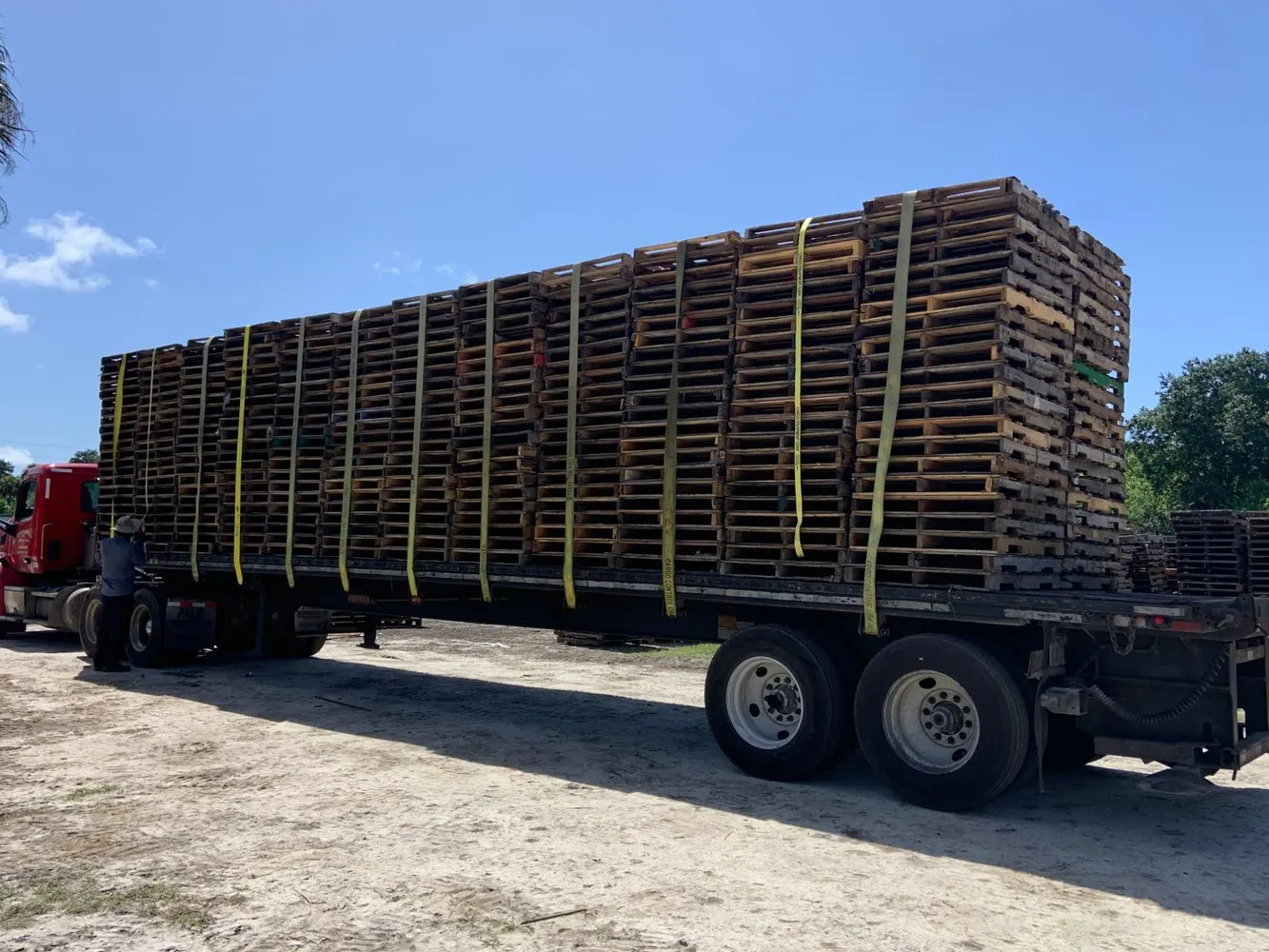
Pallet recycling is the recovery of used pallets so they can be reused or turned into other products. A recycler collects or buys used pallets, sorts them by size and condition, repairs those that are economical to fix and resells them as recycled pallets, often under supplier-specific grade names such as A and B. Pallets too damaged to repair are dismantled for usable boards, and the remaining wood is ground into products such as mulch, animal bedding, biomass fuel or feedstock for engineered wood products.
Sort, repair, dismantle: the recycling stream
Incoming pallets are sorted first. Standard footprints in good condition go straight to resale stock, while damaged ones go to repair. Pallets that are not worth repairing are taken apart, and the good boards and stringers are reused as repair parts or to build combination pallets. The rest becomes scrap and is ground, with nails removed by magnets, for mulch, bedding or fuel.
Buying recycled pallets wisely
Ask for written grade definitions and look at samples, since one supplier's top grade may differ from another's. Check deck board coverage, repairs, protruding nails and overall size. For export, an old ISPM-15 mark is not enough after repair; confirm the pallet meets the rules for repaired or remanufactured units. Food and pharmaceutical users should check whether used pallets are acceptable under their own sanitation programs.
Where recycling sits in the waste hierarchy
The EPA waste management hierarchy ranks source reduction and reuse above recycling, and recycling above energy recovery and disposal. For pallets, that means reusing and repairing come first, grinding into mulch or other products comes next, and burning for energy or landfill are last resorts.
Authoritative Sources
- National Wooden Pallet & Container Association (NWPCA): the US trade association representing wood pallet manufacturers, recyclers, and component producers, founded in 1947.
- US Environmental Protection Agency (EPA): the federal agency whose Sustainable Materials Management waste hierarchy ranks source reduction and reuse above recycling, energy recovery and disposal.
Related Glossary Terms
Frequently Asked Questions
What happens to pallets that cannot be repaired?
They are usually dismantled first so any sound boards and stringers can be reused as repair parts. The remaining wood is fed through a grinder, and magnets remove the nails and other metal. The ground wood is sold for uses such as landscape mulch, animal bedding, boiler fuel or raw material for engineered wood products. Scrap metal recovered from the grinding can also be recycled.
Are recycled pallets safe for food products?
It depends on the pallet and the application. A recycled pallet's history is usually unknown, so it may have carried chemicals or been stored outdoors. FDA rules on sanitary transportation and food manufacturing require equipment to be kept in a condition that does not contaminate food, but they do not ban used pallets. Many food facilities specify new pallets, plastic pallets or clean, inspected recycled pallets based on their own food safety plans.