The wood species used in pallet construction, including mixed hardwood, southern yellow pine, oak, maple, Douglas fir.
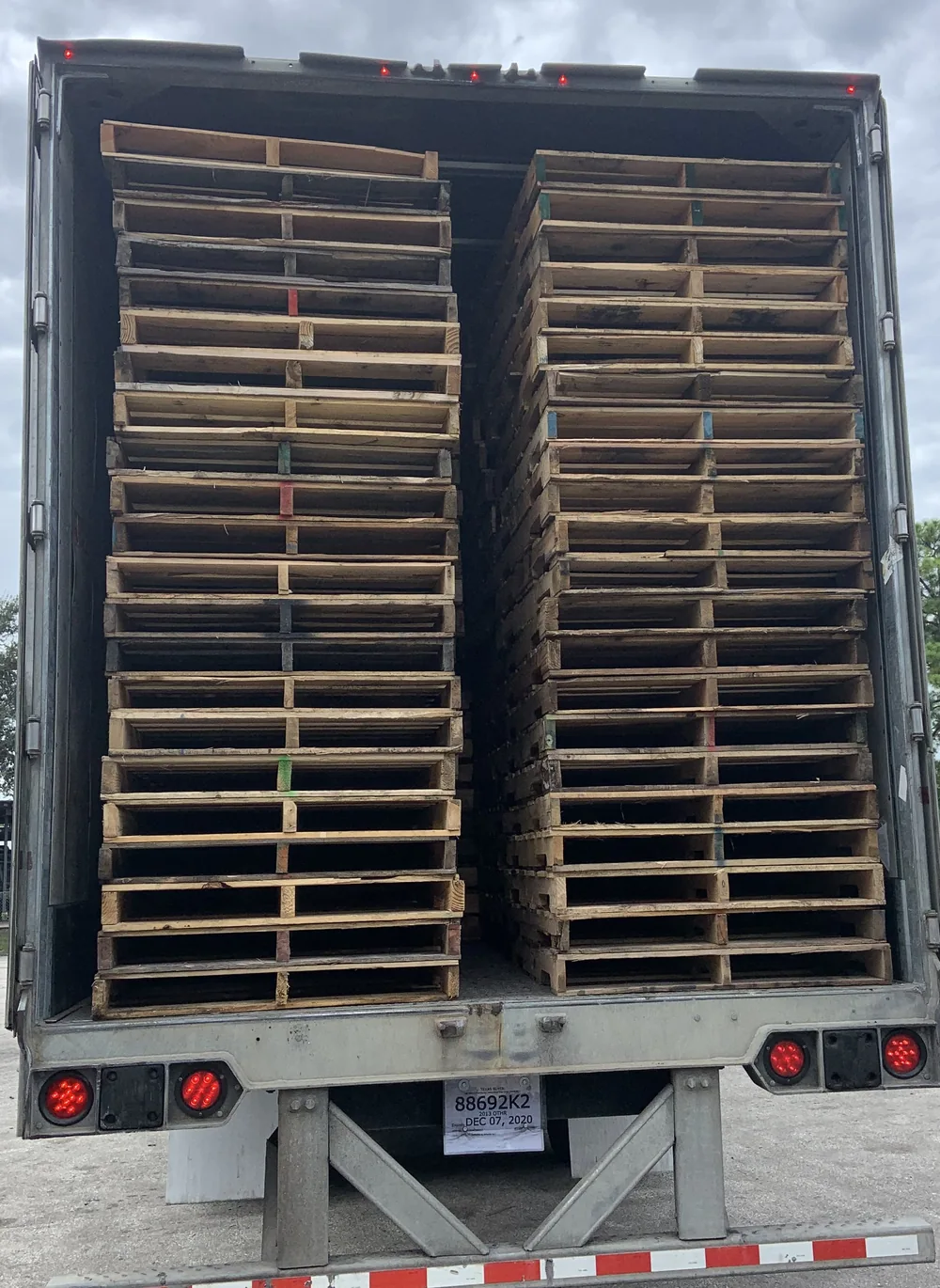
Detailed Definition
Lumber species is the kind of tree a pallet's wood comes from. In the US, pallets are commonly built from mixed hardwoods such as oak, maple, hickory, ash and gum, or from softwoods such as Southern Yellow Pine, Douglas fir, spruce and other pines. Species affects pallet weight, stiffness, nail holding, splitting, and how the wood behaves when wet. The species available at a given price depends heavily on region, so pallet specifications often name an acceptable species group rather than one species.
Hardwood versus softwood in practice
Hardwoods are generally denser, so they tend to give good nail holding and impact resistance, but the pallets are heavier. Softwoods are lighter and easier to handle and ship, and softwood pallets can be designed to carry similar loads by adjusting board thickness and layout. Neither is automatically better; the right choice depends on load, handling method, racking and whether weight affects freight cost. Many pallets also mix the two, for example hardwood stringers with softwood deck boards.
How to specify species
- Name an acceptable species or species group, such as mixed hardwood or Southern Yellow Pine.
- Say whether species may be mixed within one pallet, for example softwood decks on hardwood stringers.
- Tie the species to the design: if capacity was calculated for one species, a substitute should be checked.
- For food or pharmaceutical customers, ask about moisture condition, since some species are more prone to mold when shipped green.
Engineering tools such as the Pallet Design System include species properties, which is the most reliable way to compare options for a given load. Recheck the design whenever a supplier proposes a species substitution.
Related Glossary Terms
Frequently Asked Questions
Which wood species is best for pallets?
There is no single best species. Mixed hardwoods are common in the eastern US and give good durability and nail holding. Southern Yellow Pine is widely used in the South and is strong for its weight. Western regions often use fir and pine. The best choice is the species that meets the load, racking and weight needs of your application at a reasonable local price, confirmed by a design check if capacity is critical.
Does species matter for ISPM 15 export pallets?
ISPM 15 does not restrict which species can be used for export wood packaging. It requires that solid wood packaging thicker than 6 mm be debarked, treated by an approved method such as heat treatment, and marked. Any species can comply if treated and marked correctly. Species may still matter to the receiver for weight or mold risk, so check the customer's packaging requirements as well.