A new pallet is a pallet manufactured from virgin lumber, never used in supply chain.
Detailed Definition
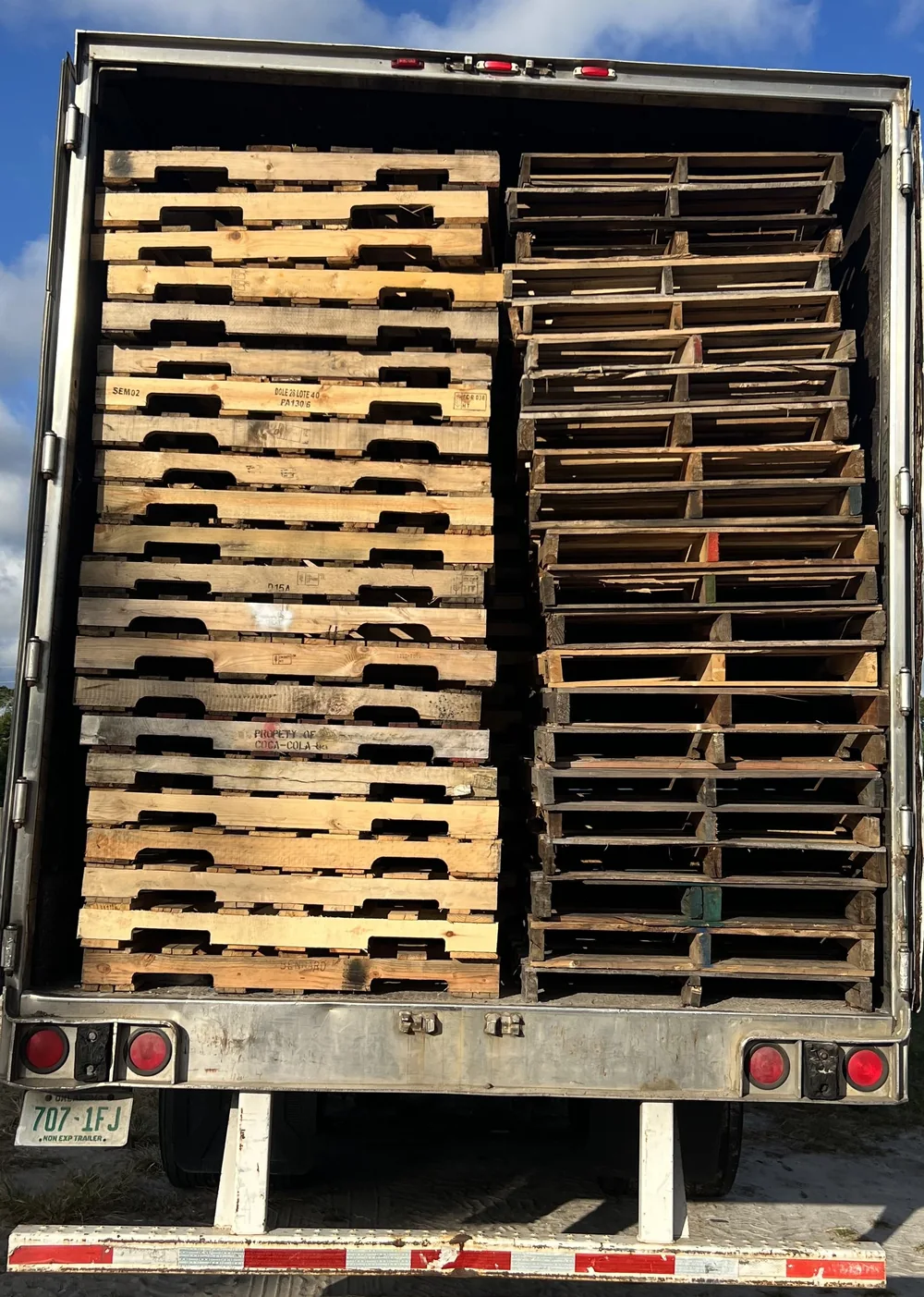
A new pallet is built from lumber that has not been used in a pallet before, usually to a customer specification or a standard design such as a 48 x 40 stringer pallet. Many new pallets are made from green lumber; dried or heat treated pallets are made when the buyer specifies them. New pallets give consistent dimensions and appearance, which matters for automation, retail programs and branded loads. By contrast, a recycled pallet has been used and returned to service, and a combo pallet mixes new and used parts.
When new pallets are worth it
- Automated systems such as conveyors, palletizers and AS/RS that need consistent dimensions and square pallets.
- Non-standard sizes that are not available on the used market.
- Customers or retailers that require new, clean or specific-design pallets.
- Export loads where you want fresh, documented ISPM 15 treatment and marks.
- Heavy or racked loads that need a known, engineered design.
Writing a new pallet specification
A new pallet quote is only comparable if the specification is complete. Include overall size, which dimension is the stringer length, number of stringers and their size, top and bottom deck board count, thickness and width, notch size if partial four-way, species or species group, nail type and pattern, and any heat treatment, drying or marking needs. Industry guidance such as the NWPCA Uniform Standard can help define terms and tolerances.
Inspect first deliveries against the spec, especially board thickness and nail placement, since small substitutions can reduce strength. Lumber markets move, so ask how long a quote is valid. Plan lead time too, since custom sizes are built to order rather than pulled from stock.
Authoritative Sources
- National Wooden Pallet & Container Association (NWPCA): the US trade association representing wood pallet manufacturers, recyclers, and component producers, founded in 1947.
- US Forest Service (USFS): the federal agency that manages the National Forest System and reports on US lumber supply used in pallet production.
Related Glossary Terms
Frequently Asked Questions
How long does a new wood pallet last?
There is no fixed number of trips. Life depends on design, wood, nails, load weight, how often it is handled, how carefully forklifts are driven, and storage conditions. A heavy-duty block pallet in a controlled loop can last much longer than a light one-way pallet. If durability matters, specify a design for multiple trips, track damage rates in your own operation, and plan for inspection and repair.
Should I buy new or recycled pallets?
Recycled pallets usually cost less and are fine for many one-way shipments and general warehouse use. New pallets make sense when you need exact dimensions, a custom size, consistent appearance, documented treatment, or a known design capacity for racking and automation. Many operations use both, choosing new pallets for demanding lanes and recycled pallets elsewhere. Compare total cost including damage and rejections, not just unit price.