The process of removing products from a pallet, typically at receiving.
Detailed Definition
Pallet strip, often just called stripping, is taking product off an inbound pallet so it can be put away, sorted or rebuilt on a different pallet. It is common at receiving when a vendor's pallet does not meet the warehouse's own pallet standard, when cases must be sorted to several locations, or when a mixed pallet must be broken down for picking. Stripping is done by hand, with assist devices such as a pallet inverter, or by an automated depalletizer. The empty pallets are then returned, reused or sent for recycling.
When receivers strip pallets
- The inbound pallet is damaged, the wrong footprint or too weak for the receiver's racking.
- The inbound pallet belongs to a rental pool and must go back, while the product stays.
- Cases from one pallet go to several pick locations or outbound orders, as in cross-docking.
- Product moves into a hygiene zone where only plastic pallets are allowed.
In container operations, stripping can also mean unloading the container itself, sometimes called devanning.
Labor, safety and data at the strip point
Manual stripping means repeated lifting, often from low pallet layers, so it is a common source of strain injuries. Lift tables, turntables and vacuum lifts reduce bending and reaching, and the NIOSH lifting equation is a recognized way to evaluate manual lifts. Stripping is also a control point: count cases against the ASN or purchase order, record damage, and note the type and number of empty pallets so pool pallets are returned and vendor-owned pallets are tracked.
Handling the empty pallets
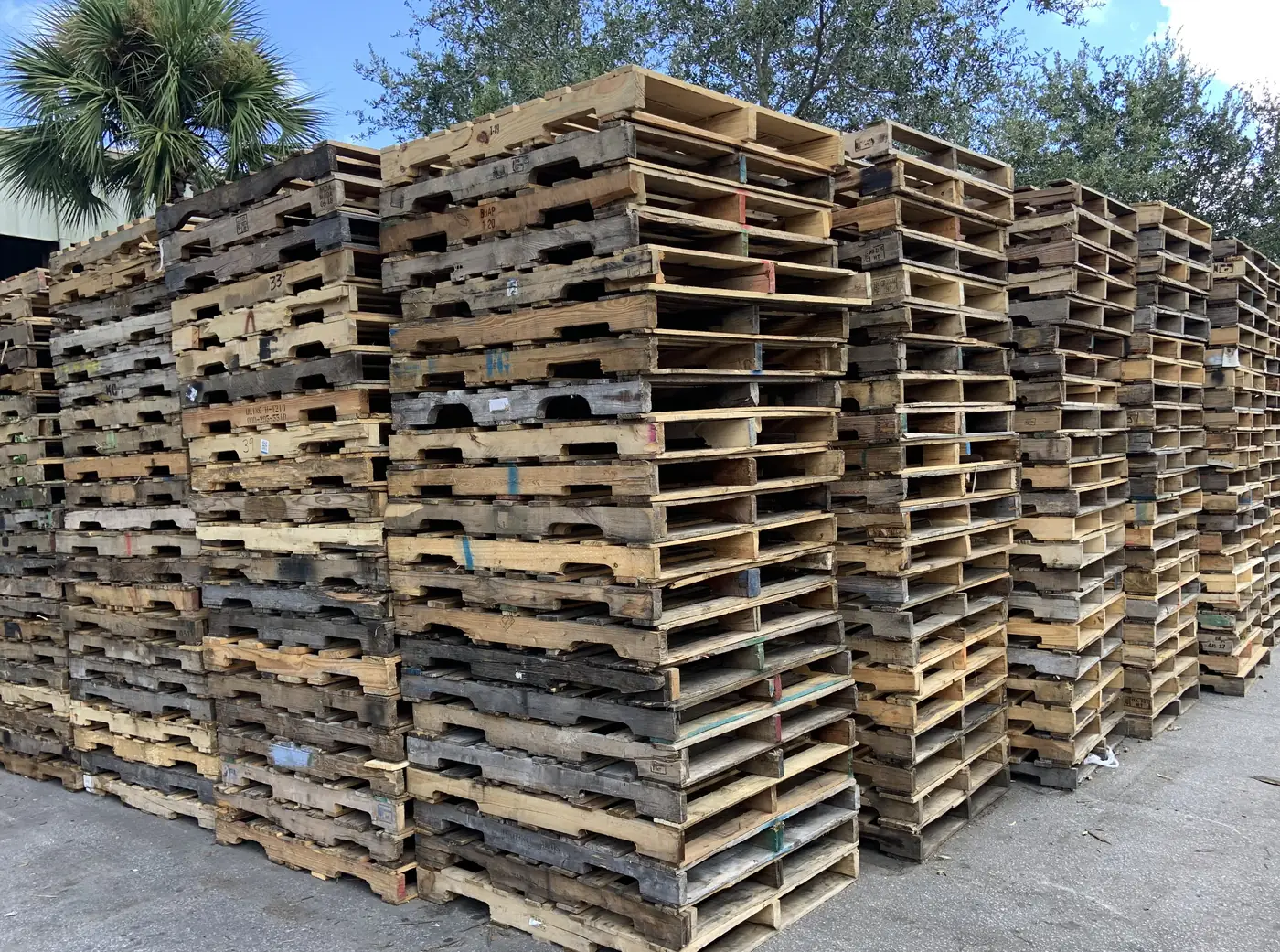
Stripping creates a steady flow of empties. Stack them by type, keep pool pallets apart from white-wood pallets, pull damaged ones for repair or scrap, and keep stacks out of aisles and away from dock doors.
Related Glossary Terms
Frequently Asked Questions
Is pallet stripping the same as depalletizing?
They describe the same basic task, removing product from a pallet. Stripping is the everyday warehouse term and usually refers to manual work at receiving. Depalletizing is more often used for automated equipment on production and packaging lines, where a machine removes layers of empty containers or cases from incoming pallets and feeds them onto a conveyor. Both create empty pallets that need to be stacked, sorted and returned or reused.
Who pays when a receiver must strip non-compliant pallets?
It depends on the trading relationship. Many large retailers and distributors publish routing guides or vendor compliance manuals that set pallet requirements, and some charge suppliers fees when shipments arrive on pallets that do not comply and must be restacked. Suppliers should read each customer's requirements before shipping. Receivers that strip pallets often should track the cost so it can be raised with vendors.