Cube-out is the trailer loading scenario where physical volume limits the load before weight does.
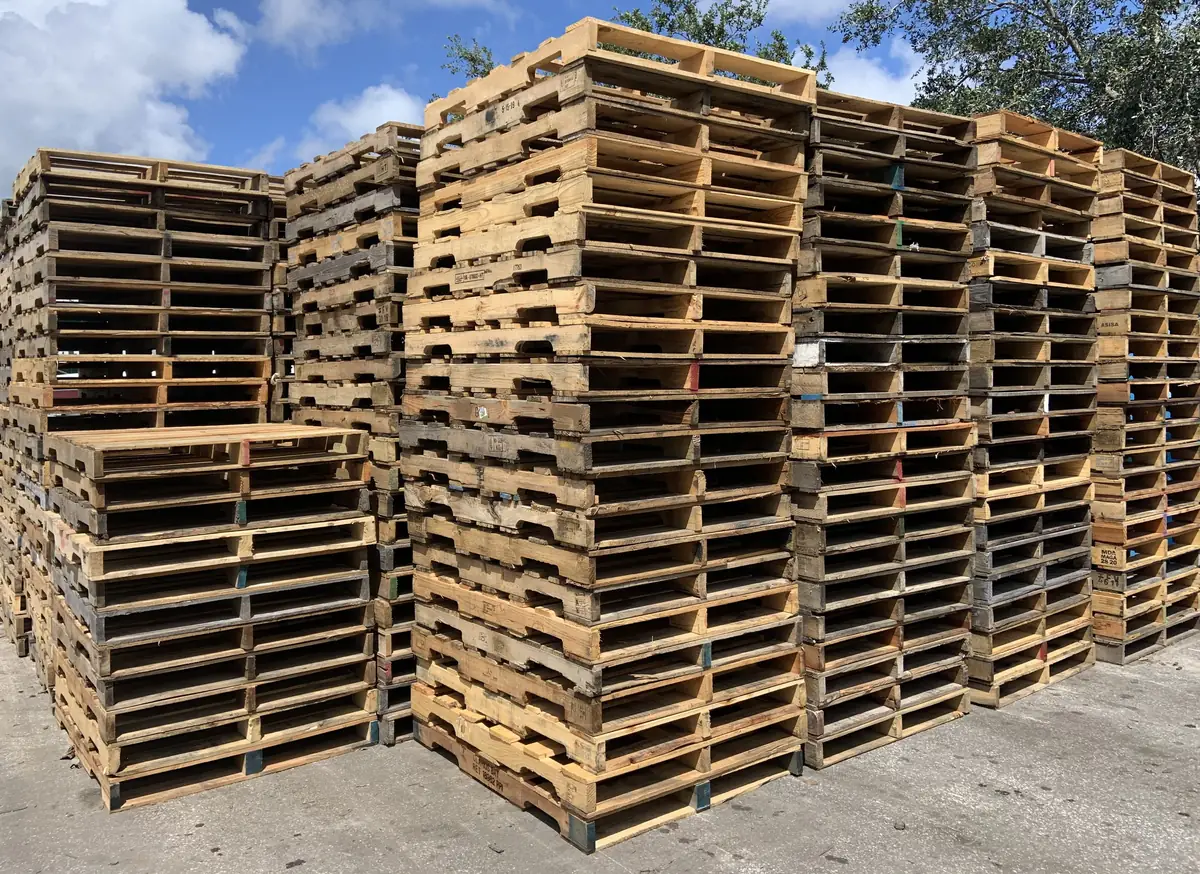
Detailed Definition
Cube-out occurs with low-density products such as bulky packaged consumer goods, paper products, foam and plastics. The trailer fills before reaching its legal or contracted weight limit. Stack height, pallet footprint and pallet orientation in the trailer are the key levers for cube-out shipments, along with package design. The opposite situation, where weight is reached first, is called weigh-out.
How to tell whether a load will cube out
Compare the space the freight needs with the space available, and the weight with the weight allowed. Work out how many pallet positions the trailer offers for your footprint, how high each pallet can be built, and whether pallets can be double stacked. If the floor and height are used up while the total weight is still well under the limit, the load cubes out.
The usable weight limit depends on the truck, the trailer, axle limits and the carrier's own rules, so confirm it with the carrier rather than assuming a single figure.
Ways to fit more product in a cubed-out trailer
- Build taller pallets, if the product can bear the stack and the receiver accepts the height.
- Double stack pallets when the load and packaging are strong enough.
- Turn pallets to use the trailer width better. A common rule of thumb is 26 straight-loaded or 30 turned 48 x 40 inch pallets single stacked in a 53 ft trailer.
- Reduce empty space in cases and pallet overhang.
Pallet strength matters here. A pallet that is fine on its own can fail when another loaded pallet sits on top for a long haul.
Authoritative Sources
- Material Handling Institute (MHI): the largest US trade association for material handling, logistics, and supply chain technologies.
- American Trucking Associations (ATA): the largest national trade association for the US trucking industry.
Related Glossary Terms
Frequently Asked Questions
Does a cubed-out load cost more to ship?
On a full truckload you usually pay for the trailer, not the weight, so a cubed-out load means you pay the same rate for less product. That raises the cost per unit. In less-than-truckload shipping, bulky light freight is often rated by density, which typically puts it in a higher freight class and raises the rate per pound. Either way, improving density usually lowers the shipping cost per unit.
Is it safe to double stack pallets to avoid cubing out?
It can be, but only when the product, cases and bottom pallet can carry the extra weight for the whole trip, including vibration and braking. Check whether the cases are rated for stacking, whether the pallet top deck will spread the load evenly, and whether the receiver allows stacked pallets. Many shippers mark loads do not stack when the freight cannot take it.