Freight shipping using an entire trailer for one shipper.
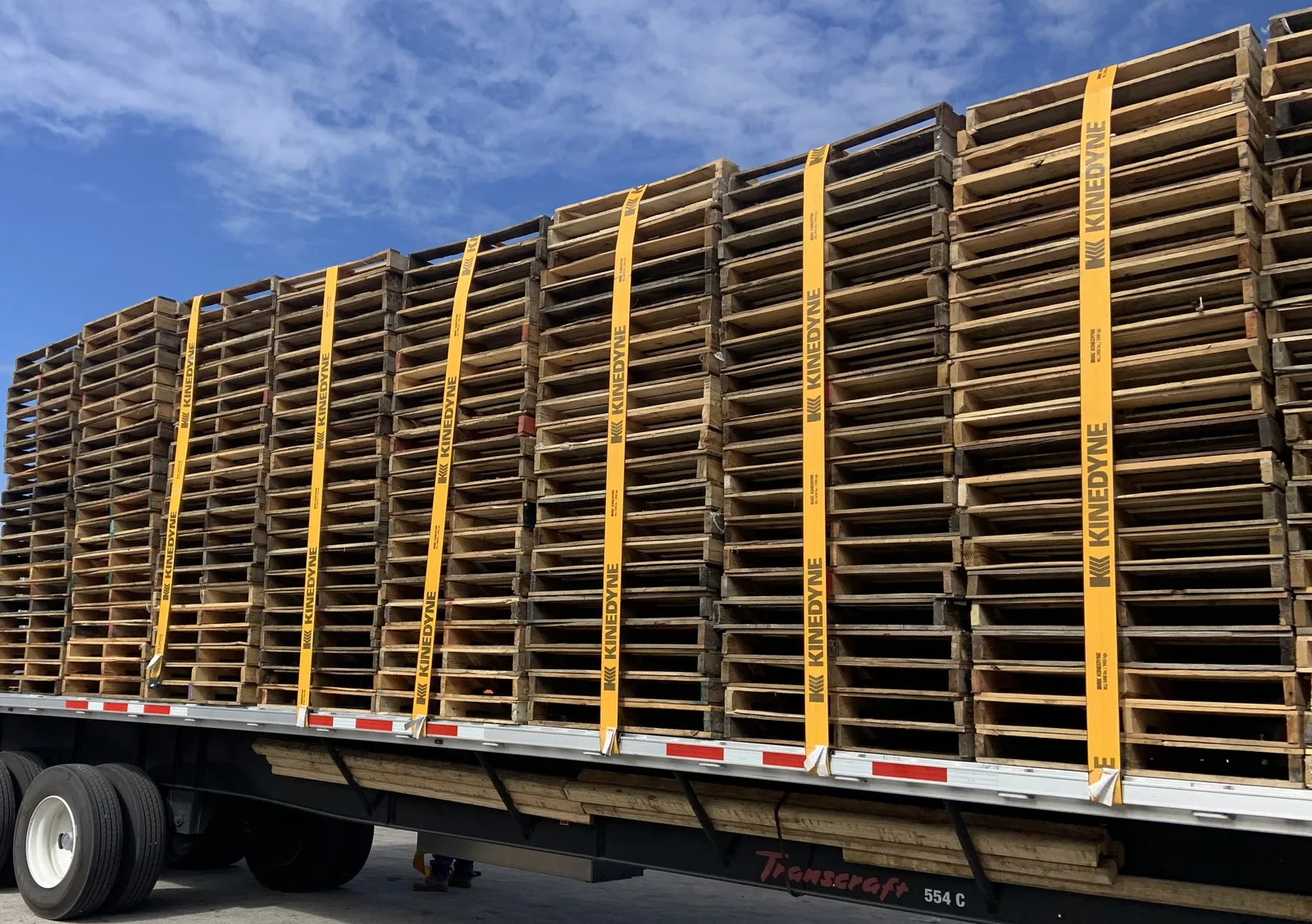
Detailed Definition
In a full truckload (FTL) move, one shipper buys the use of a whole trailer, usually a 53 foot dry van, reefer or flatbed, and the freight normally goes from pickup to delivery without being rehandled at terminals. Rates are usually quoted per mile or as a flat lane rate rather than by freight class, often with a fuel surcharge on top. FTL is the same service many carriers call truckload or TL.
How many pallets fill a full truckload
A common rule of thumb is 26 single-stacked 48 x 40 pallets in a 53 foot trailer when loaded straight, or 30 when turned. Actual counts depend on trailer interior dimensions, pallet size, load height and whether pallets can be double stacked. Weight can also limit a load before space does, since gross vehicle weight on the Interstate system is generally capped at 80,000 pounds, which leaves far less than that for the freight itself.
FTL versus LTL and partial loads
FTL makes sense when a shipment fills most of a trailer or reaches the weight limit. Below that, LTL or partial truckload may cost less, but LTL freight is handled at terminals and priced by class and weight. Because an FTL load stays on one trailer, there is less handling and transit is often faster. Shippers should still load pallets tightly, fill gaps and record the seal number on the bill of lading.
Loading pallets for a full truckload
Load the heaviest pallets near the front and spread weight evenly side to side so axle weights stay legal. Turn pallets when that gives a tighter fit, but check the receiver can unload them that way. Use load bars, airbags or dunnage to stop pallets shifting in gaps, and avoid loads that lean against the trailer walls.
Related Glossary Terms
Frequently Asked Questions
When should I switch from LTL to full truckload?
Compare quotes whenever a shipment takes up a large share of a trailer or is heavy enough that LTL charges climb steeply. Partial truckload is worth pricing in between. Besides cost, think about handling: FTL freight stays on one trailer, so fragile or high value pallets may benefit even at lower volumes. A carrier or broker can quote all three options for the same lane so you can compare them side by side.
Who loads and unloads a full truckload?
It depends on the agreement. Many FTL loads are shipper load and count, meaning the shipper loads the trailer and the driver does not verify the piece count, and the receiver unloads. Live loads, drop trailers and lumper services are all common. Carriers often charge detention when loading or unloading runs past the free time in their rate agreement, so state the loading terms and appointment times on the rate confirmation.