Freight class is the LTL pricing tier (50-500) assigned by NMFC.
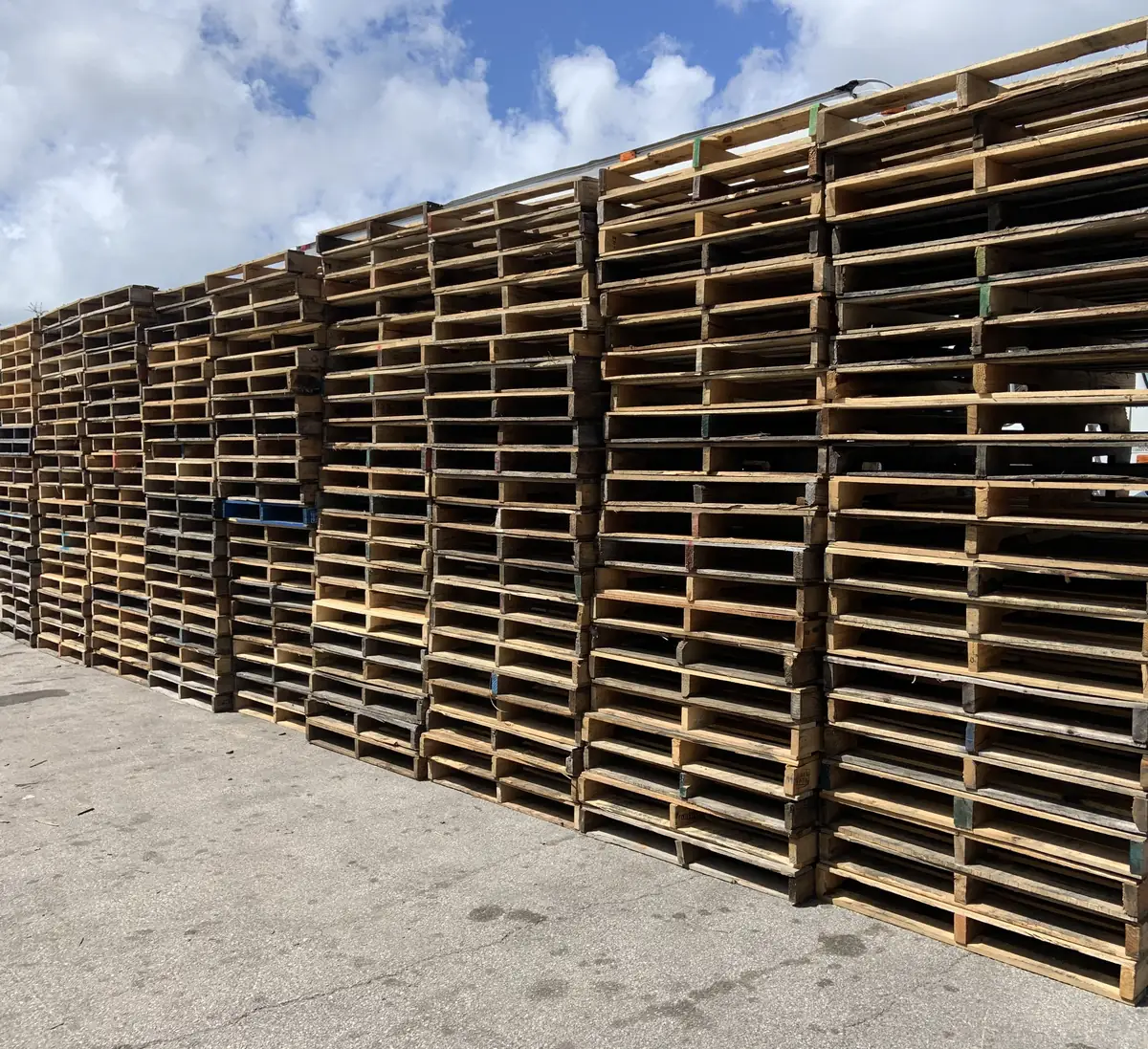
Detailed Definition
There are 18 classes, from 50 to 500. Class 50 covers dense, durable freight that costs least per pound to ship; class 500 covers very light, bulky or fragile freight. Classes come from items in the NMFC, maintained by the National Motor Freight Traffic Association, and reflect density, stowability, handling and liability. Carriers can inspect, measure and reweigh shipments, and a class or weight that does not match the freight leads to reclassification and rebilling.
How density drives class
Density is pounds per cubic foot. Measure the shipment as it sits on the pallet, including the pallet itself, at its longest, widest and tallest points. Multiply length, width and height in inches and divide by 1,728 to get cubic feet, then divide total weight by that figure. For example, a 48 x 40 x 50 inch pallet weighing 800 pounds is about 55.6 cubic feet, or roughly 14.4 pounds per cubic foot. Whether density alone sets the class depends on the NMFC item for the product.
Avoiding freight class surprises
- Look up the correct NMFC item for each product instead of guessing a class.
- Include the pallet and packaging in weight and dimensions.
- Keep loads square, with no product hanging over the pallet edges.
- Recheck items when NMFTA publishes changes, since more items have moved to density-based classes.
- Ask whether your contract uses a freight-all-kinds rate that overrides class.
Freight class and pallet shipments
The empty pallet counts toward shipment weight, and its footprint sets two of the three dimensions used for density. A 48 x 40 pallet loaded only partway still bills on its full footprint. Consolidating several small shipments onto fewer, fuller pallets can raise density and sometimes lower class, as long as the load stays stable.
Authoritative Sources
- American Trucking Associations (ATA): the largest national trade association for the US trucking industry.
- Transportation Intermediaries Association (TIA): the trade association representing US freight intermediaries and 3PL operators.
Related Glossary Terms
Frequently Asked Questions
Does pallet height change freight class?
It can. For many items class depends on density, and density depends on the dimensions you are billed for. A taller pallet with the same weight has lower density, which can push it into a higher, more expensive class. Some carriers also apply extra charges to shipments that cannot be stacked, or bill them as if they used more trailer space. Build compact, stable loads and state the real dimensions and weight on the bill of lading.
Who decides the freight class of a shipment?
The shipper declares it on the bill of lading, based on the NMFC item that describes the product. The carrier can inspect, measure and reweigh the shipment, and if the description or class is wrong it can bill the correct class plus any fees in its tariff. Keeping product specifications, NMFC item numbers and pallet dimensions on file makes it much easier to support the class you declared if a dispute comes up.