Dock utilization is the share of available dock door time that is actually spent loading or unloading trailers. It is commonly calculated as occupied door hours divided by available door hours for a shift or day. Low utilization can mean idle doors; very high utilization usually means trucks are waiting.
How it is calculated
A simple version is: total hours trailers occupy doors, divided by number of doors times operating hours. Many sites also track turn time per trailer and the gap between appointment time and door assignment. Because the measure is a ratio of time, it should be read alongside throughput, such as pallets handled per door hour.
What drags it down
Late or bunched arrivals, slow unloading of floor-loaded freight, damaged or nonstandard pallets that must be restacked, missing paperwork and lack of staging space all lengthen door time without adding output. Long dwell can trigger detention charges from carriers.
Role of pallets
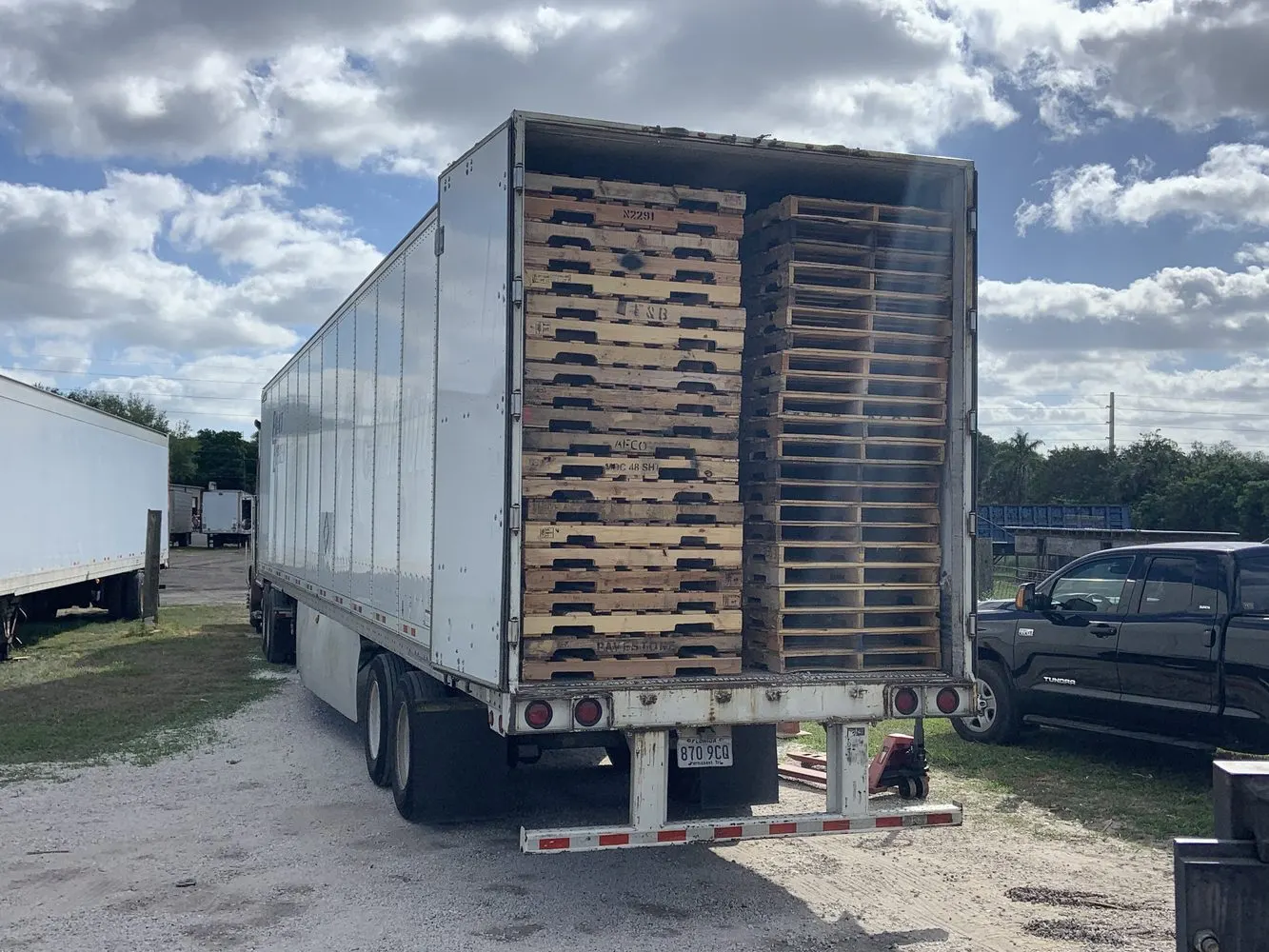
Palletized, well wrapped loads on consistent pallets unload much faster than mixed or broken pallets. Requiring a standard footprint such as the 48x40 GMA pallet, a minimum grade and an advance ship notice (ASN) are common ways receiving teams shorten door time.
Related Terms
- Detention
- Demurrage
- Cross-Docking
- Trailer Loading
- ASN (Advance Shipping Notice)
- Throughput
- Takt Time
- Distribution Center
- Browse all glossary terms
Frequently Asked Questions
Is 100 percent dock utilization a good target?
Usually not. When doors are occupied all the time, any late truck or slow unload creates a queue in the yard and detention exposure. Many operations plan for a buffer so they can absorb variability. A better goal is short, predictable turn times and enough door capacity at peak, measured together with pallets or cases handled per door hour.
How do pallet problems affect dock time?
Broken boards, mixed footprints and loads that are not properly unitized force crews to restack or hand-unload, which can multiply the time a trailer sits at a door. Receivers often set inbound pallet requirements in their routing guides for this reason. Supplying consistent, sound pallets and stable wrapped loads is one of the easiest ways a shipper can help a customer's dock run faster.