NMFC (National Motor Freight Classification) is the LTL freight pricing classification system.
Detailed Definition
The National Motor Freight Classification is a standard that groups commodities into classes for less-than-truckload pricing. It is maintained by the National Motor Freight Traffic Association (NMFTA). Each commodity has an NMFC item number and is assigned one of 18 classes from 50 to 500, based on four transportation characteristics: density, stowability, handling and liability. Lower classes are generally cheaper to ship per pound. Carriers use the class, together with weight and distance, to rate LTL shipments under their tariffs. See freight class.
Finding the right class
Shippers look up the commodity in the NMFC to find the item number and class. Some items have one class, while many are density based, meaning the class depends on pounds per cubic foot. To calculate density, measure the full shipping unit including the pallet, multiply length by width by height in inches, divide by 1,728 to get cubic feet, and divide the total weight by that volume. Overhang and irregular shapes count in the measurement.
NMFTA revises the classification through periodic dockets, so item numbers and classes can change. Use the current version, and record the item number and class on the bill of lading.
Avoiding reclass charges
- Describe the commodity accurately, not just as general merchandise.
- Measure and weigh each pallet rather than estimating.
- Build tight, square loads; a compact pallet has higher density and often a lower class.
- Keep records so you can dispute an incorrect inspection.
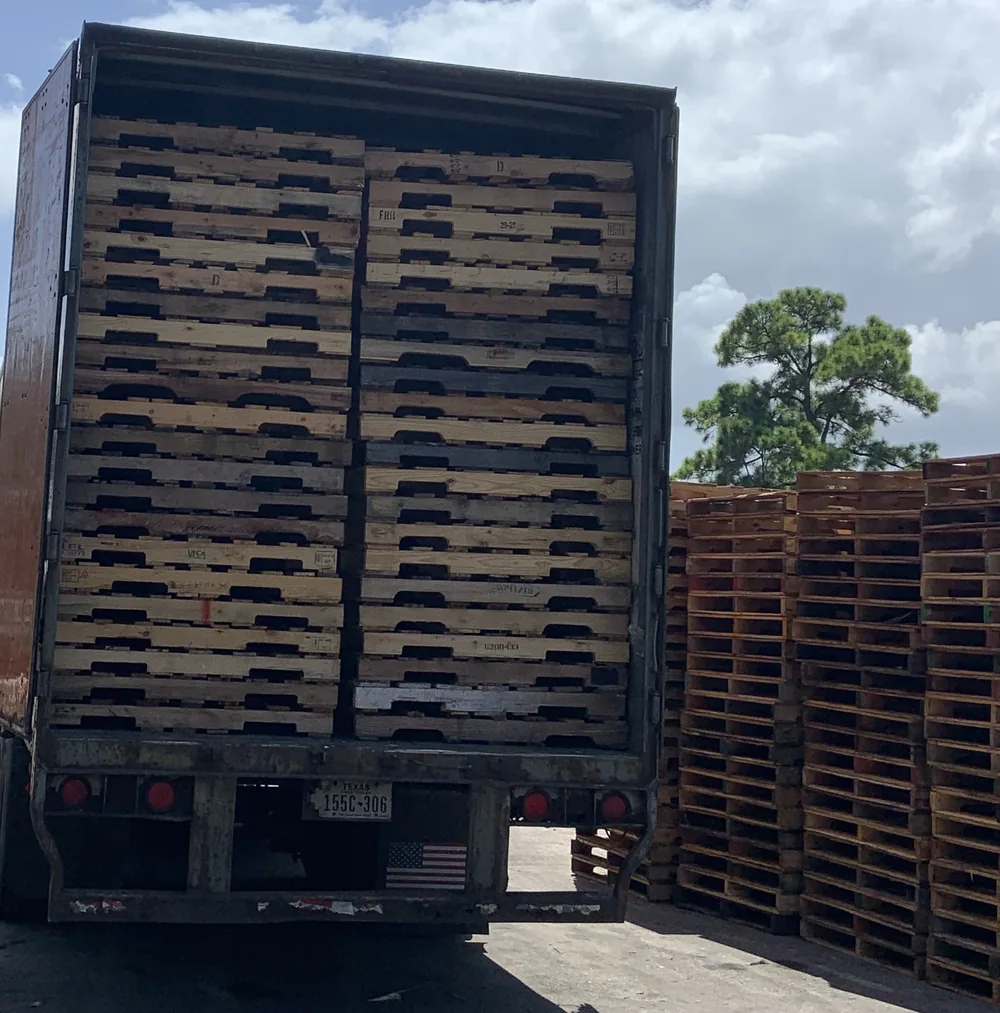
Empty pallets shipped as freight are a commodity too and have their own NMFC listing, so check it rather than assuming. Ask your carrier or broker if an item is unclear.
Authoritative Sources
- American Trucking Associations (ATA): the largest national trade association for the US trucking industry.
- Transportation Intermediaries Association (TIA): the trade association representing US freight intermediaries and 3PL operators.
Related Glossary Terms
Frequently Asked Questions
How is freight density calculated for NMFC classes?
Measure the shipment as tendered, including the pallet and any overhang, in inches. Multiply length, width and height, then divide by 1,728 to convert to cubic feet. Divide the total weight in pounds by the cubic feet to get pounds per cubic foot. For density-based items, that figure determines the class using the NMFC density scale. Measuring the full footprint accurately avoids reclass charges after a carrier inspection.
Who decides the NMFC class of my shipment?
The classification itself is published by NMFTA, which reviews commodities and assigns classes through a public docket process. The shipper is responsible for describing the freight correctly and choosing the applicable item and class on the bill of lading. The carrier can inspect, measure and weigh the freight, and if it does not match, the carrier can reclassify it and adjust the invoice. Negotiated contracts may use class exceptions or freight all kinds rates.