Pallet flow describes the movement of pallets through supply chain stages.
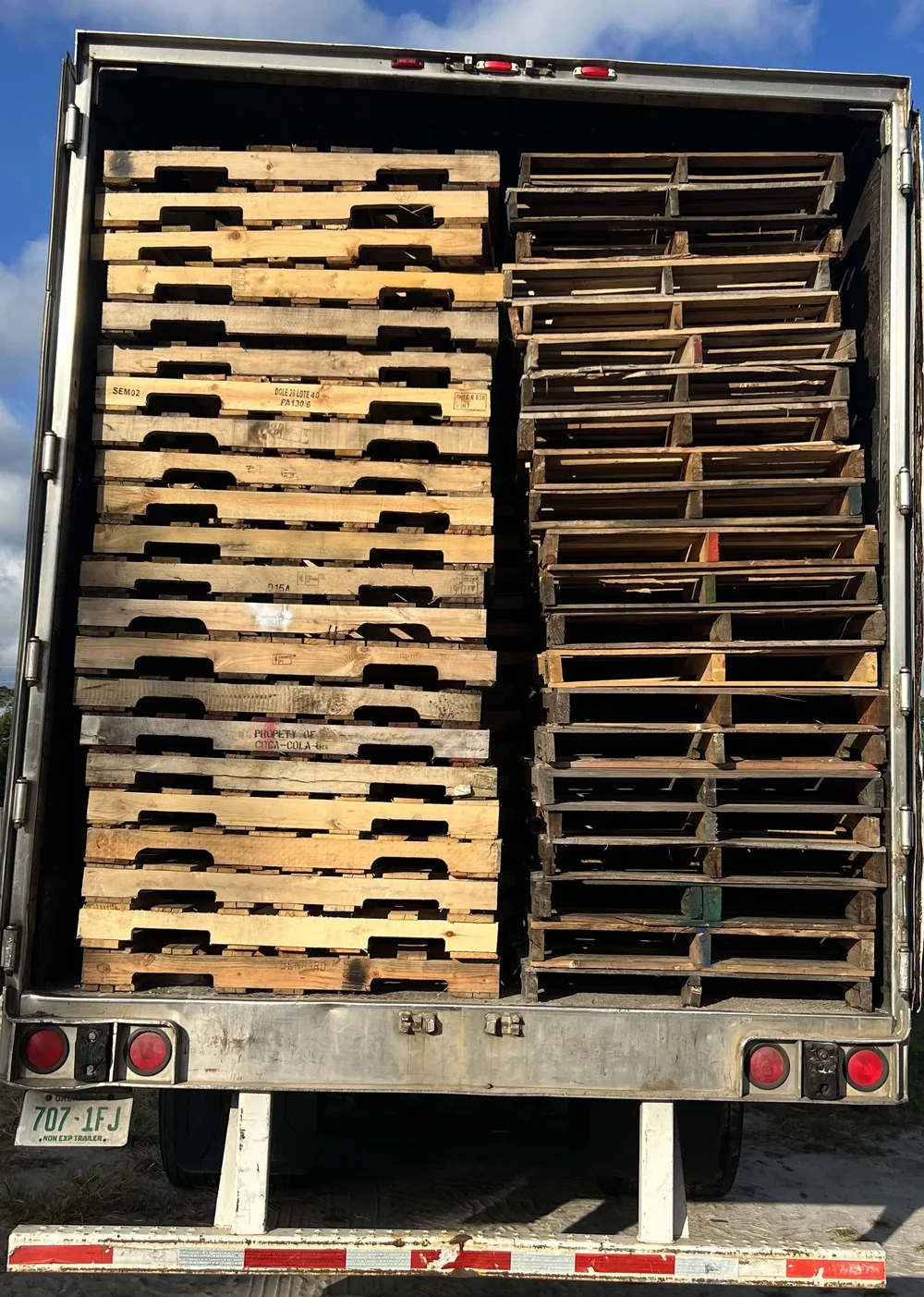
Detailed Definition
Pallet flow is the path a pallet follows over its working life. A typical cycle for a purchased wood pallet runs from the lumber mill to a pallet manufacturer, then to a shipper who loads product on it, through distribution to a retailer or other receiver, and then back through pickup, buy-back or recycling to be sorted, repaired and reused, or finally dismantled. Rental pallets follow a pooled loop instead. In warehouse design, the term is also used for pallet flow rack storage.
One-way, pooled and closed-loop flows
Pallet flows fall into a few patterns. In a one-way flow, the shipper buys white-wood pallets that leave with the product and are not expected back; the receiver reuses, sells or discards them. In a pooled flow, a rental company such as CHEP or PECO owns the pallets and collects them from receivers for inspection, repair and reissue. In a closed-loop program, the shipper and its customers return pallets directly to a set origin. Many companies run more than one flow at once, for example pooled pallets for some customers and purchased pallets for others.
Mapping your own pallet flow
Knowing where your pallets go helps with cost, availability and sustainability decisions. Useful questions include:
- Where do inbound pallets come from, and what happens to them after unloading?
- Which outbound pallets come back, and how many are lost or damaged?
- Who pays to move empty pallets, and how far do they travel?
- Where do broken pallets end up?
The answers often show whether buying, pooling or a closed loop fits best, and where pallets leak out of the system.
Authoritative Sources
- National Wooden Pallet & Container Association (NWPCA): the US trade association representing wood pallet manufacturers, recyclers, and component producers, founded in 1947.
- US Environmental Protection Agency (EPA): the federal agency whose Sustainable Materials Management program publishes the waste management hierarchy, which ranks source reduction and reuse above recycling, energy recovery and disposal.
Related Glossary Terms
Frequently Asked Questions
What is the difference between pallet flow and pallet flow rack?
Pallet flow, as a supply chain term, describes the cycle a pallet follows from manufacture through use, return, repair and eventual disposal. Pallet flow rack is a warehouse storage system with sloped roller lanes that let loaded pallets roll forward by gravity, giving first-in, first-out rotation. The phrases sound alike, so make clear which meaning you intend in specifications and conversations with suppliers.
Why do pallets leak out of a closed loop?
Pallets leave a loop when receivers keep them, mix them with their own stock, sell them to recyclers, or throw them away when damaged. Leaks are more likely when pallets are not clearly marked, when receivers have no simple way or reason to return them, or when nobody tracks counts at each step. Clear marking, return agreements and regular reconciliation of pallet counts help reduce losses.