Freight larger than a typical LTL shipment but not needing a full trailer, carried on a shared trailer with few stops and usually without terminal transfers.
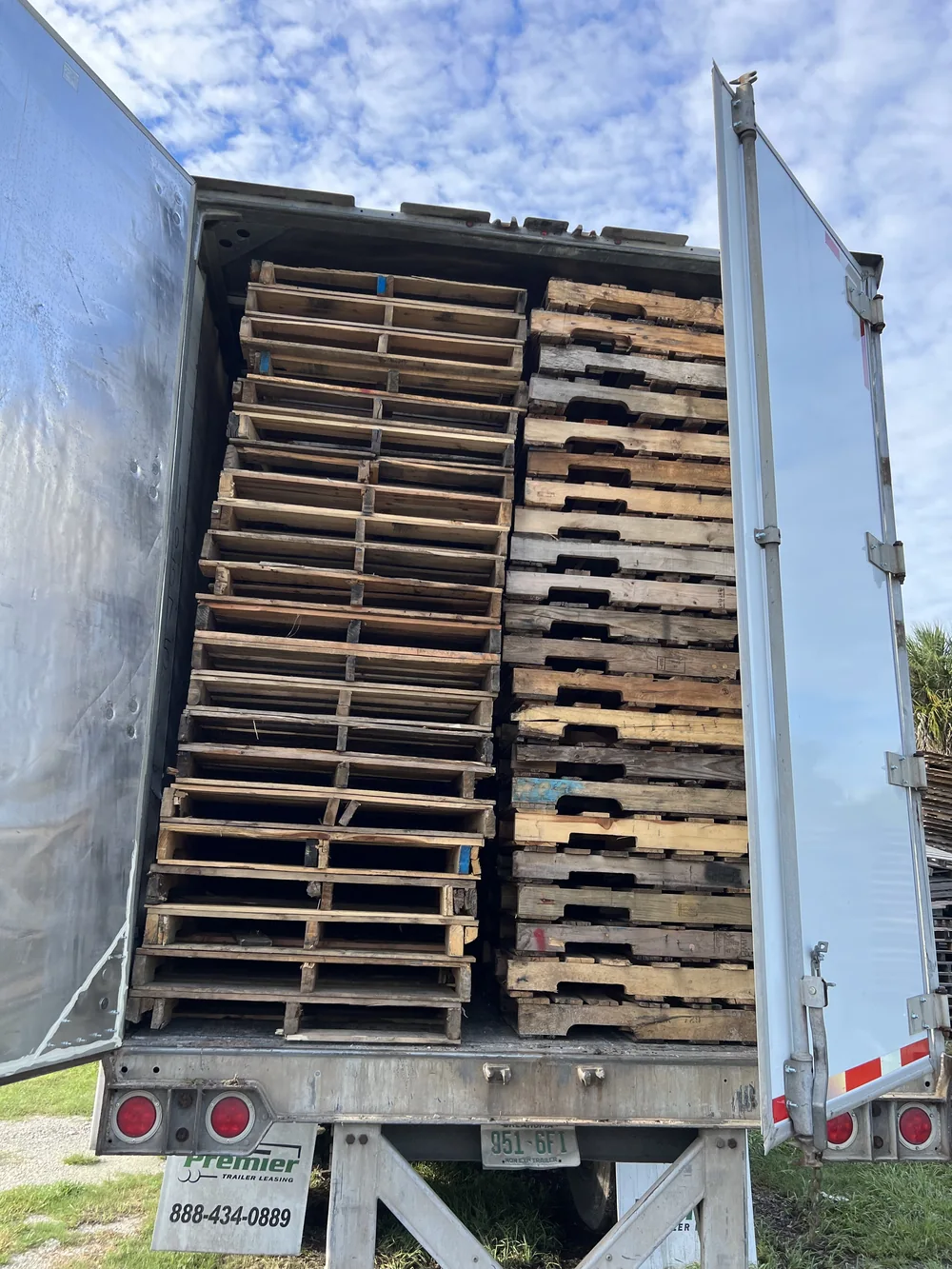
Detailed Definition
Partial truckload, sometimes called volume LTL (carriers use these terms differently), suits shipments that fill part of a trailer, often from several pallets up to around half a trailer depending on the carrier. The freight usually stays on the same trailer from pickup to delivery, sharing it with a small number of other shipments, so it is handled less than standard LTL freight routed through terminals. Pricing is often based on the trailer length used, weight and distance rather than freight class alone. Check each carrier's size limits and rules.
Partial truckload compared with LTL and FTL
Standard LTL moves through a network of terminals, with freight unloaded and reloaded along the way, and is priced largely by class and weight. Full truckload gives one shipper the whole trailer for a direct move. Partial truckload sits between them: fewer handlings and often faster transit than LTL, at a lower cost than paying for a full trailer the shipment does not fill. It is often a good fit for fragile or large freight that suffers from repeated handling.
Quoting a partial shipment accurately
Carriers need the pallet count, dimensions, total weight and whether pallets can be stacked. Linear feet is a common measure: two 48x40 pallets side by side, loaded with the 48-inch side along the trailer, use 4 feet of trailer length. Under-declaring dimensions or claiming stackability for loads that cannot be stacked can lead to rebilling. Note also dock or liftgate needs and appointment requirements.
Risks to manage on shared trailers
Your freight shares space with other shipments, so secure and wrap each pallet well, label every pallet, and mark loads that must not be stacked or that carry hazardous materials. Ask how the carrier handles delays at other stops, and whether detention or reconsignment charges apply.
Related Glossary Terms
Frequently Asked Questions
When does partial truckload make more sense than LTL?
It is worth quoting when a shipment takes up a meaningful share of a trailer, is fragile or awkward to handle, or needs a more predictable delivery. Because the freight usually stays on one trailer, there is less handling and less risk of damage than in a terminal network. For small shipments of a pallet or two, standard LTL is normally cheaper. Get quotes for both when a shipment falls in between.
Do I need a freight class for a partial truckload quote?
Often not, because many partial and volume quotes are based on trailer space, weight and distance. However, some carriers still ask for the NMFC class, and if the shipment ends up moving under a standard LTL tariff, class will apply. Have accurate dimensions, weight, pallet count, stackability and commodity description ready, and keep the class information on hand in case the carrier needs it.