155 pallet terms defined with authoritative sources cited throughout.
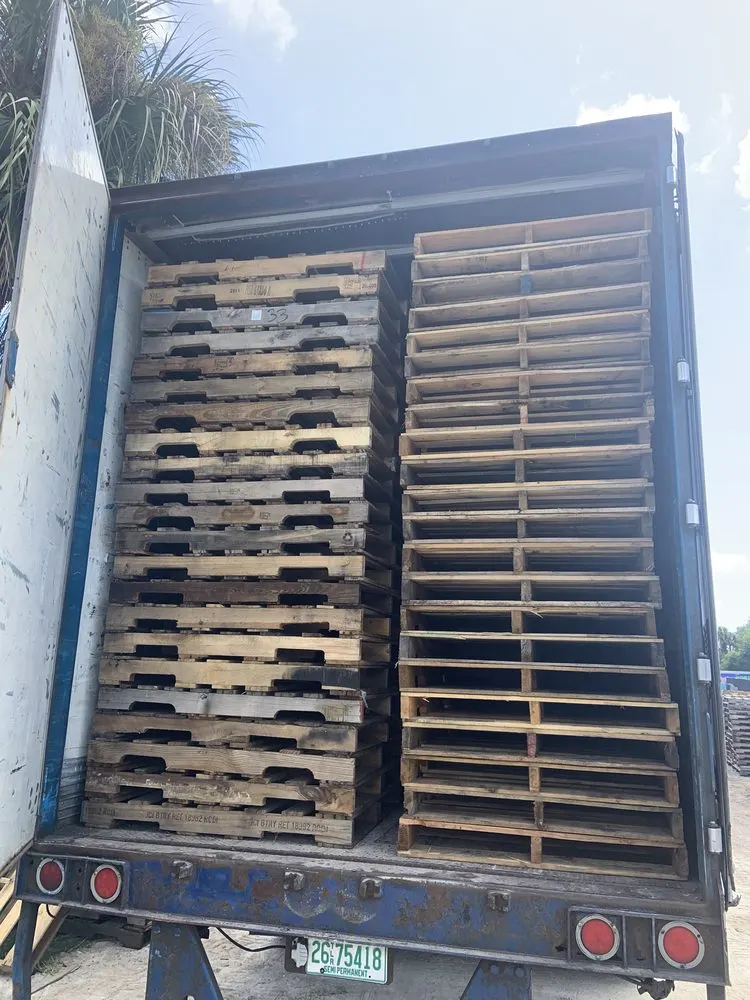
When national, United States operations need pallet glossary at scale, the supplier shortlist comes down to three things: inventory depth, delivery reliability, and documentation. United States Pallets engineers our pallet glossary program to win on all three - new GMA stock plus recycled Grade A and B always available, scheduled weekly delivery, and BOL/IPPC/grade certifications electronic before each load arrives.
pallet glossary in national, United States is foundational infrastructure for any commercial operation moving goods through United States's industrial supply chain. United States Pallets (national customers reach us at our national dispatch line) provides pallet glossary on a 50-pallet minimum with same-day shipping in our Southeast/Mid-Atlantic core and scheduled weekly delivery to national elsewhere.
A (8 terms)
- AGV: AGV (Automated Guided Vehicle) is a pallet-handling robot that follows fixed paths.
- ALSC: ALSC (American Lumber Standard Committee) accredits US lumber grading agencies.
- Amazon Pallet: Amazon FBA pallets must meet Amazon Fulfillment Center receiving specifications.
- AMR: AMR (Autonomous Mobile Robot) is a pallet-handling robot that navigates dynamically without fixed paths.
- ANSI MH16.1: ANSI MH16.1 is the dominant US standard for pallet rack design and load capacity.
- ASRS: ASRS (Automated Storage and Retrieval System) is a high-density automated pallet storage system.
- ASTM D1185: ASTM D1185 is the US standard test method for pallet structural performance.
- ATA: ATA (American Trucking Associations) is the US trade association for the trucking industry.
B (3 terms)
- Banding: Banding (also called strapping) secures unit loads using polypropylene, polyester, or steel straps.
- Bill of Lading: Bill of Lading (BOL) is the legal document accompanying every freight shipment.
- Block Pallet: A block pallet uses 9 wood blocks at corners and midpoints to support the deck, allowing four-way fork entry.
C (7 terms)
- Cardboard Pallet: Cardboard pallets are single-use pallets used primarily for export or one-way shipping.
- CBA: CBA (Consumer Brands Association, formerly Grocery Manufacturers Association) is the trade association whose pallet spec became the GMA standard.
- CHEP Pallet: CHEP pallets are blue-painted block pallets owned by CHEP Pallets in a global pool program.
- Closed-Loop Program: Closed-loop pallet programs return pallets from end-customer to manufacturer for refurbishment and redeployment.
- Costco Pallet: Costco pallets must meet Costco receiving specifications, typically 48x40 GMA Grade A.
- Cross-Docking: Cross-docking moves pallets from inbound to outbound dock without intermediate storage.
- Cube-Out: Cube-out is the trailer loading scenario where physical volume limits the load before weight does.
D (7 terms)
- Demurrage: Demurrage is the charge for holding intermodal containers beyond free time.
- Detention: Detention is the charge for holding a truck/trailer beyond contracted free time at loading or unloading.
- Distribution Center: A distribution center (DC) is a high-volume warehouse focused on rapid throughput rather than long-term storage.
- Douglas Fir: Douglas Fir is a softwood pallet lumber from the Pacific Northwest.
- Drayage: Drayage is short-haul trucking between rail/ocean terminals and shippers/consignees.
- Drive-In Rack: Drive-in rack maximizes pallet density by storing multiple pallets deep on rail-supported lanes.
- Dynamic Compression: Dynamic compression measures pallet performance under repeated load cycling.
E (5 terms)
- EPA: EPA (Environmental Protection Agency) governs pallet recycling and waste management.
- EPA Hierarchy: The EPA Sustainable Materials Management hierarchy prioritizes waste reduction over recycling and disposal.
- ESG Procurement: ESG procurement integrates environmental, social, and governance criteria into supplier selection.
- EUR/EPAL: EUR/EPAL pallets are the dominant European wood pallet standard.
- Export Pallet: Export pallets are pallets used in international trade, typically requiring ISPM-15 compliance.
F (13 terms)
- FDA: FDA (Food and Drug Administration) administers FSMA, governing pallet sanitation in food applications.
- Food-Grade Pallet: Food-grade pallets are designed for use in food manufacturing, distribution, and storage.
- Fork Entry: Fork entry refers to how a forklift can engage a pallet (two-way, partial-four-way, or four-way).
- Fork-Tine Test: Fork-tine testing measures pallet response to forklift insertion under load.
- Forklift: A forklift (also called a powered industrial truck or PIT) is the primary equipment for pallet handling.
- Four-Way Entry: Four-way entry pallets allow forklifts to enter from all four sides with equal load capacity.
- Freight Broker: A freight broker arranges transportation between shippers and carriers without operating trucks directly.
- Freight Class: Freight class is the LTL pricing tier (50-500) assigned by NMFC.
- FSC: FSC (Forest Stewardship Council) is the global non-profit setting forest stewardship standards.
- FSMA: FSMA is the Food Safety Modernization Act, the federal law governing food safety including pallets carrying food.
- FSMA Section 204: FSMA Section 204 mandates enhanced traceability records for high-risk foods, including pallet-level tracking.
- Fuel Surcharge: Fuel surcharge is the variable add-on to freight rates indexed to diesel fuel prices.
- Fulfillment Center: A fulfillment center (FC) is a warehouse specialized for e-commerce order picking and shipping.
G (6 terms)
- GMA Pallet: The GMA pallet is the dominant 48x40 inch US pallet specification originated by the Grocery Manufacturers Association.
- Grade A Pallet: Grade A pallets are the highest quality recycled pallets, with no broken or missing components.
- Grade B Pallet: Grade B pallets are recycled pallets with at least one repair (replaced deck board or stringer).
- Grade C Pallet: Grade C pallets have visible defects affecting appearance but maintaining basic structural function.
- GS1 SSCC: The GS1 SSCC (Serial Shipping Container Code) is an 18-digit barcode that uniquely identifies a unit load.
- GS1-128 Barcode: GS1-128 is the dominant pallet barcode standard, encoding SSCC plus Application Identifiers.
H (4 terms)
- Hardwood: Hardwood lumber comes from deciduous trees and is denser, heavier, and stronger than softwood.
- Heat Treatment: Heat treatment kills pests in wood packaging by raising core temperature to 56C for at least 30 minutes.
- Home Depot Pallet: Home Depot pallets must meet Home Depot receiving specifications.
- HPVA: HPVA (Hardwood Plywood and Veneer Association) is the US trade association for hardwood materials.
I (7 terms)
- iGPS Pallet: iGPS pallets are plastic pool pallets, an alternative to wood block pallet pools.
- Intermodal: Intermodal shipping combines multiple transportation modes (truck + rail + ocean) for a single shipment.
- IPPC: IPPC (International Plant Protection Convention) is the United Nations body governing international plant health.
- IPPC Stamp: The IPPC stamp is the official mark on ISPM-15-compliant wood packaging showing treatment compliance.
- ISO 18613: ISO 18613 provides guidance on pallet management for international supply chains.
- ISO 6780: ISO 6780 defines six international flat pallet dimensions for global trade.
- ISPM-15: ISPM-15 is the international phytosanitary standard for wood packaging in international trade.
K (2 terms)
- Kiln Drying: Kiln drying reduces wood moisture content to 8-15% for cold-chain and food applications.
- Kroger Pallet: Kroger pallets must meet Kroger grocery distribution specifications.
L (7 terms)
- Less-Than-Truckload: Less-Than-Truckload (LTL) is the freight category for shipments smaller than a full truck.
- Lifecycle Assessment: Lifecycle assessment evaluates total environmental impact from raw materials to disposal.
- Lowe's Pallet: Lowe's pallets must meet Lowe's receiving specifications.
- LTL: LTL (Less-Than-Truckload) shipping consolidates multiple shippers in a single trailer.
- Lumber: Lumber is the sawn wood used to construct pallets.
- Lumber Grading: Lumber grading classifies wood by defects, strength, and appearance for pallet construction.
- Lumber Mill: A lumber mill processes raw timber into dimensional lumber for pallet manufacturing.
M (5 terms)
- Material Handling: Material handling encompasses all equipment and processes for moving, storing, and protecting goods, including pallets.
- Metal Pallet: Metal pallets (steel or aluminum) serve heavy-duty industrial applications.
- Methyl Bromide Fumigation: Methyl bromide fumigation is an alternative ISPM-15 treatment, increasingly restricted due to environmental impact.
- MHI: MHI (Material Handling Institute) is the largest US trade association for material handling and supply chain technologies.
- Mixed Hardwood: Mixed hardwood is the standard hardwood lumber blend used in US pallet manufacturing.
N (9 terms)
- Narrow Aisle Truck: Narrow aisle trucks are forklifts designed for very narrow aisles (5-7 feet wide).
- New Pallet: A new pallet is a pallet manufactured from virgin lumber, never used in supply chain.
- NIOSH: NIOSH (National Institute for Occupational Safety and Health) provides scientific research supporting OSHA standards.
- NIOSH Lifting Equation: The NIOSH Lifting Equation is the science-based framework for evaluating manual lifting tasks including pallet handling.
- NMFC: NMFC (National Motor Freight Classification) is the LTL freight pricing classification system.
- No. 2 Lumber: No. 2 lumber is a standard pallet construction grade with moderate defects.
- No. 3 Lumber: No. 3 lumber allows more defects than No. 2 grade and is used for economy pallet construction.
- NWPCA: NWPCA (National Wooden Pallet & Container Association) is the US trade association for the wood pallet industry.
- NWPCA Uniform Standard: The NWPCA Uniform Standard is the primary US industry specification document for wood pallets.
O (5 terms)
- 3PL: 3PL (Third-Party Logistics) provider operates warehousing, transportation, or both on behalf of customers.
- 48x40 GMA Pallet: The 48x40 GMA pallet is the dominant US pallet specification, originally codified by the Grocery Manufacturers Association.
- Oak: Oak is a hardwood pallet lumber, especially common in heavy-duty pallet applications.
- OSHA: OSHA (Occupational Safety and Health Administration) governs workplace pallet handling safety.
- OSHA 29 CFR 1910: OSHA 29 CFR 1910 contains the federal workplace safety standards governing pallet operations.
P (33 terms)
- Pallet Buy-Back: Pallet buy-back programs purchase used pallets from end users for recycling or refurbishment.
- Pallet Carbon Footprint: Pallet carbon footprint is the total greenhouse gas emissions associated with pallet lifecycle.
- Pallet Cores: Pallet cores are used pallets in salvageable condition awaiting repair or resale.
- Pallet Design System: The Pallet Design System (PDS) is the NWPCA-developed software for engineering pallet specifications.
- Pallet Display: Pallet displays are pre-built retail displays shipped on pallets ready for store floor placement.
- Pallet Enterprise: Pallet Enterprise is the leading trade publication of the wood pallet and container industry.
- Pallet Flow: Pallet flow describes the movement of pallets through supply chain stages.
- Pallet Flow Rack: Pallet flow rack uses gravity rollers to enable FIFO inventory rotation.
- Pallet Jack: A pallet jack (also called a pump truck) is the simplest powered or manual pallet handling device.
- Pallet Load Capacity: Pallet load capacity is the maximum weight a pallet can safely support.
- Pallet Mill: A pallet mill is a facility focused on new pallet manufacturing from raw lumber.
- Pallet Mover: Pallet mover is a generic term for any equipment used to move pallets, including jacks, forklifts, and AGVs.
- Pallet Pool Program: Pallet pool programs operate large fleets of standardized pallets rented per-use to multiple shippers.
- Pallet Procurement: Pallet procurement is the process of sourcing, purchasing, and managing pallet supply.
- Pallet Rack: A pallet rack is the warehouse structure for storing pallets at multiple vertical levels.
- Pallet Recycling: Pallet recycling recovers used pallets for sortation, repair, and resale or material recovery.
- Pallet Repair: Pallet repair restores damaged pallets to functional service, often as Grade B.
- Pallet RFQ: A pallet RFQ (Request for Quote) is the document soliciting bids from pallet suppliers.
- Pallet TCO: Pallet TCO (Total Cost of Ownership) accounts for unit price, freight, documentation, and lifecycle.
- Pallet Trade Show: The Pallet Live Trade Show is the major industry event organized by Pallet Enterprise magazine.
- Pallet Weight: Pallet weight ranges from 30-50 pounds for standard 48x40 GMA pallets.
- Pallet Yard: A pallet yard is a facility focused on pallet recycling, sortation, and refurbishment.
- Partial Four-Way Entry: Partial four-way entry pallets allow forklifts to enter from all four sides but with limited capacity from non-notched sides.
- PECO Pallet: PECO pallets are red-painted block pallets in a US pool program.
- PEFC: PEFC (Programme for the Endorsement of Forest Certification) is the largest forest certification system globally.
- Phytosanitary Certificate: A phytosanitary certificate documents that a shipment meets the importing country's plant health requirements.
- Plastic Pallet: Plastic pallets are non-wood pallets typically used in food, pharmaceutical, and pool applications.
- PLIB: PLIB (Pacific Lumber Inspection Bureau) is the accredited agency for grading Pacific softwoods.
- Pool Pallet: Pool pallets are owned by a third party and rented to shippers on a per-use basis.
- Pool vs Buy: Pool vs buy compares pallet pool program economics versus pallet ownership.
- Presswood Pallet: Presswood pallets are compressed wood-fiber pallets, ISPM-15 exempt for export.
- Publix Pallet: Publix pallets must meet Publix grocery distribution specifications.
- Push-Back Rack: Push-back rack uses gravity-driven carts to maintain LIFO storage with multiple pallets deep.
R (7 terms)
- Racking Test: The racking test measures pallet performance when supported only at the ends, simulating selective rack storage.
- Rail Shipping: Rail shipping uses freight trains for long-haul pallet movement, typically as part of intermodal.
- Reach Truck: A reach truck is a forklift designed for narrow aisles, common in selective rack warehouses.
- Recycled Pallet: A recycled pallet is a previously used wood pallet sorted, repaired if needed, and resold.
- Retail Pallet: Retail pallets are pallets used in retail distribution to stores.
- RILA: RILA (Retail Industry Leaders Association) represents major US retailers whose receiving specs drive pallet requirements.
- RMI: RMI (Rack Manufacturers Institute) is the MHI subsidiary that publishes ANSI MH16.1 pallet rack standards.
S (12 terms)
- Sanitary Pallet: Sanitary pallets meet FSMA cleanliness requirements for food transportation.
- Scrap Pallet: Scrap pallets are unrepairable wood pallets sent for chip processing or biomass fuel.
- Selective Rack: Selective rack is the most common pallet rack type, with single-deep pallet positions.
- SFI: SFI (Sustainable Forestry Initiative) is the forest certification program with chain-of-custody standards.
- Shrink Wrap: Shrink wrap is heat-shrinkable polyethylene film used for retail-ready unit loads.
- Softwood: Softwood lumber comes from coniferous trees (pine, fir, spruce, hemlock) and is lighter than hardwood.
- Southern Yellow Pine: Southern Yellow Pine (SYP) is the dominant pallet lumber in the US Southeast.
- SPIB: SPIB (Southern Pine Inspection Bureau) is the accredited agency for grading Southern Yellow Pine.
- Static Compression: Static compression measures the maximum load a pallet can support when stacked without movement.
- Stretch Wrap: Stretch wrap is the polyethylene film used to secure unit loads on pallets.
- Stringer Pallet: A stringer pallet uses three long boards (stringers) running the length of the pallet to support the deck.
- Sustainable Forest Management: Sustainable forest management ensures long-term forest health while supporting commercial harvest.
T (7 terms)
- Target Pallet: Target pallets must meet Target receiving specifications, typically GMA 48x40.
- TIA: TIA (Transportation Intermediaries Association) is the US trade association for 3PLs and freight intermediaries.
- Trailer Loading: Trailer loading is the process of placing pallets in a truck trailer for shipping.
- Truck-Rail: Truck-rail combines truck and rail in a single shipping move.
- Truck-Rail Modal: Truck-rail modal shipping combines truck pickup, rail line haul, and truck delivery.
- Truckload: Truckload (TL) shipping uses a single trailer for one shipper end-to-end.
- Two-Way Entry: Two-way entry pallets allow forklifts to enter from only two sides (typically the notched stringer ends).
U (2 terms)
- Unit Load: A unit load is a single shipping unit, typically a pallet with multiple cases or items secured for shipment.
- USDA-APHIS: USDA-APHIS (Animal and Plant Health Inspection Service) administers ISPM-15 in the United States.
V (1 terms)
- Volume Tier Discount: Volume tier discounts reduce per-pallet pricing as monthly purchase volume increases.
W (5 terms)
- Walkie: A walkie is a powered pallet jack operated by an operator walking alongside the equipment.
- Walmart Pallet: Walmart pallets must meet Walmart receiving specifications, typically GMA 48x40.
- Warehousing: Warehousing is the storage of pallets and inventory in dedicated facilities.
- Weigh-Out: Weigh-out is the trailer loading scenario where weight limit is reached before physical volume.
- Wood Pallet: Wood pallets are the dominant pallet material globally, accounting for ~95% of US pallet usage.
What's the minimum order quantity for pallet glossary?
50 pallets per order minimum on buy-side. Sell-side (buyback) minimum is 250 pallets per single-size load. Volume tiers kick in automatically as cumulative monthly volume increases - 500+/week accounts qualify for standing-order programs with reserved delivery slots.
Does United States Pallets buy back used pallets in national?
Yes. We buy back used pallets from national collectors, recyclers, and warehouses - 250-pallet minimum per load, single-size only (no mixed-size loads). Fast ACH payment, typically same-day or net-7 depending on volume. Pickup arranged on standard outbound delivery routes.
Does United States Pallets supply pallet glossary for export from national?
Yes, with ISPM-15 heat-treated pallets carrying IPPC stamps and full ISPM-15 documentation. Required for international shipments to all WTO member countries. Common for national customers with port access via United States's major export gateways.
Can United States Pallets handle pallet glossary for high-volume national operations?
Yes. Standing-order programs for national operations running 500+ pallets/week lock in tiered pricing, reserve delivery slots, and run on autopilot in the background. Custom contract terms available for accounts running 2,000+/week.
How fast does United States Pallets deliver to national, United States?
Same-day shipping in our Southeast/Mid-Atlantic core (FL, GA, AL, TN, MS, SC, NC, KY, VA) and scheduled weekly delivery elsewhere. Express options available for national rush orders. Quote response under 2 business hours, dispatch within hours of order confirmation.